

Living in Namibia: The Ultimate Guide for UK Expats (2026 Update)

If you’re considering living in Namibia, you’re exploring one of Africa’s most quietly compelling destinations.
Often called the Land of the Brave, Namibia is defined by vast open spaces, dramatic desert landscapes, and one of the lowest population densities on Earth.
From the towering dunes of the Namib Desert to the wild Atlantic coastline, the country offers a sense of freedom and scale that’s increasingly rare in the modern world.
For British expats, Namibia is frequently described as “Africa for beginners”.
It is politically stable, comparatively safe by regional standards, and benefits from infrastructure that feels reassuringly familiar. English is the country’s sole official language, which removes a major barrier for UK nationals, although Afrikaans, German, and several indigenous languages are widely spoken.
With more than 300 days of sunshine a year, extraordinary wildlife, and a noticeably slower pace of life than the UK and even neighbouring South Africa, Namibia is attracting retirees, remote workers, and lifestyle movers looking for space, calm, and long-term quality of life.
This guide explains everything you need to know about moving to Namibia from the UK, from visas and healthcare to cost of living and everyday life.
Preparing for Your Move to Namibia

Before you go. Understanding local realities—from malaria risks in the north to water conservation and polite etiquette—is vital for a smooth transition.
Before leaving the UK, it’s important to understand the realities of daily life in Namibia. UK government travel advice should always be your starting point, particularly for health and entry requirements.
Much of central and southern Namibia, including Windhoek, is malaria-free. However, parts of the north, such as Etosha National Park and the Zambezi (Caprivi) region, can carry seasonal risk during the rainy months.
Namibia is also one of the driest countries in the world, and water conservation is a way of life. Droughts are not unusual, and restrictions are widely respected.
Culturally, Namibia is polite and understated. Greetings matter, and conversations tend to begin slowly. Taking time to ask how someone is before getting down to business is not just courteous, it’s expected.
Visas and Residency Options for Namibia
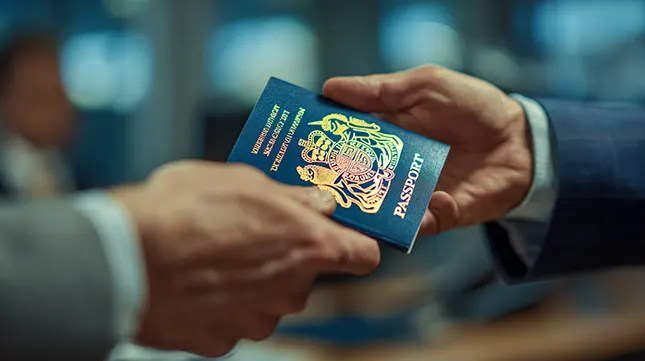
Whether you apply for the new Digital Nomad Visa or seek retirement residency, understanding the criteria is the first step to your new life.
British passport holders can enter Namibia for tourism purposes for up to 90 days within a 12-month period without a visa. Many prospective expats use this time for a reconnaissance visit to see whether the lifestyle suits them.
In recent years, Namibia has introduced a Digital Nomad Visa, making the country more accessible to remote workers. To qualify, applicants must meet several clear criteria:
- Proof of stable overseas income (typically around USD $2,000 per month)
- Valid comprehensive health insurance
- Evidence that employment or freelance work is based outside Namibia
This visa allows stays of up to six months and is well-suited to freelancers and remote employees. However, it does not permit local employment or provide a pathway to permanent residency.
Securing a traditional work permit is considerably more difficult. Namibia follows strict labour protection policies, meaning employers must prove that no suitably qualified Namibian can fill the role.
As a result, most foreign residents enter the country via alternative routes such as retirement residence or investment-based permits. For the most up-to-date information, the Namibian Ministry of Home Affairs remains the definitive source.
Permanent Residency in Namibia
Permanent residency in Namibia requires patience.
There is no automatic right to permanent residence after a fixed number of years, and applications are assessed on a case-by-case basis.
The most common routes to eligibility include:
- Long-term employment in Namibia
- Marriage to a Namibian citizen
- Significant financial or business investment
In most cases, applicants must have held valid work or residence permits for at least ten years before applying.
Documentation requirements are extensive and typically include UK police clearance certificates, medical examinations, and radiological reports.
Bringing Pets to Namibia from the UK

Bringing your cat or dog to Namibia is possible with the right veterinary certificates and import permits. Plan early to avoid travel stress.
Many British expats relocate with their pets, and Namibia allows the import of cats and dogs.
However, the process is tightly regulated and requires advanced preparation.
Core requirements usually include:
- An import permit issued by the Namibian Directorate of Veterinary Services
- An official veterinary health certificate issued in the UK
- A valid rabies vaccination within the required timeframe
- Additional permits if travelling via or from South Africa
The climate is another consideration.
Namibia’s heat can be challenging for certain breeds, particularly during the summer months, so owners should plan carefully for travel and acclimatisation.
Companies like PetAir are well equipt to deal with moving your beloved pets overseas!
Driving in Namibia: What New Residents Should Know
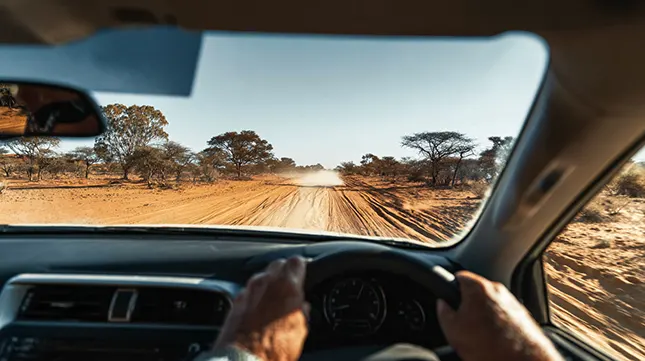
Driving is essential in Namibia. Familiarise yourself with gravel road safety and 4×4 handling to explore the country safely.
Driving is central to life in Namibia. Like the UK, vehicles drive on the left, and traffic congestion is virtually non-existent.
While major highways are well maintained, most secondary routes are gravel rather than tarmac. New arrivals often underestimate the skill required to drive safely on these roads, and rollovers are the most common serious accidents.
Key safety considerations include:
- Avoiding night driving due to wildlife crossing roads
- Reducing speed on gravel surfaces
- Carrying spare tyres, water, and basic tools on long journeys
UK driving licences are valid for the first 90 days. Residents must then convert to a Namibian licence, and carrying an International Driving Permit alongside your UK licence is strongly recommended.
Importing a Car vs Buying Locally
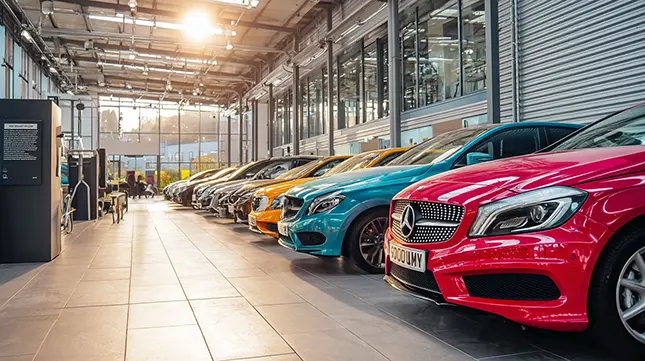
You may wish to bring your car with you to Namivia.
Although Namibia is part of the Southern African Customs Union, importing a vehicle from the UK is rarely cost-effective.
Import duties, VAT, and shipping costs can easily exceed 30% of a vehicle’s value.
Most expats choose to buy locally or import from South Africa, where vehicles are typically cheaper and exempt from additional customs duties.
A reliable 4×4 is widely regarded as essential for exploring the country properly, with models such as the Toyota Hilux and Ford Ranger particularly popular.
Weather and Climate: Living With the Desert
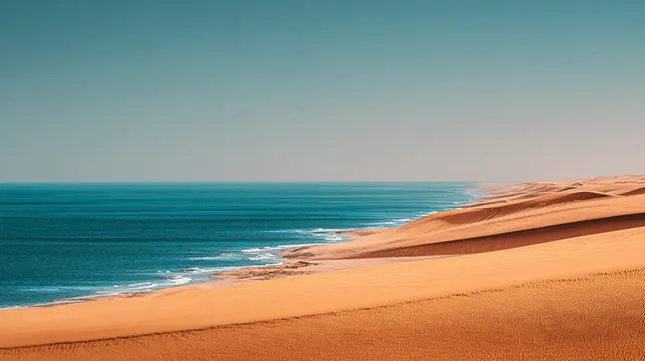
With over 300 days of sunshine, Namibia is hot and dry, though the coastal mist of Swakopmund offers a cool contrast to the inland heat.
Namibia is one of the sunniest countries on Earth. Summers, which run from November to April, can see inland temperatures exceed 40°C, although rainfall tends to arrive in short, dramatic thunderstorms rather than prolonged downpours.
Winters are dry and pleasant during the day, but desert nights can be surprisingly cold.
Coastal towns such as Swakopmund experience a very different microclimate, with cool sea air, frequent mist, and strong winds driven by the Benguela Current.
Best Places to Live in Namibia
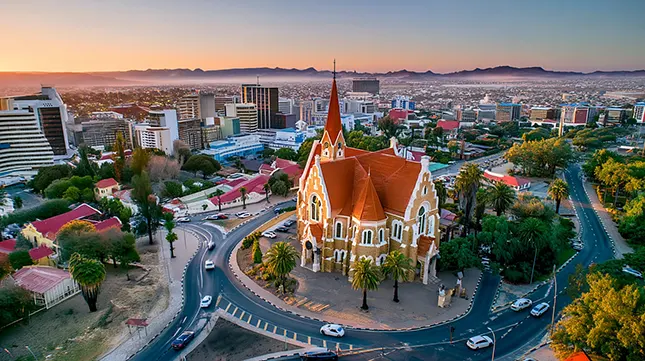
From the capital amenities of Windhoek to the coastal charm of Swakopmund, find the location that suits your lifestyle.
Windhoek remains the most practical base for many expats, offering the country’s best healthcare, schools, and employment opportunities.
Swakopmund is particularly popular with retirees thanks to its cooler climate and relaxed coastal lifestyle, while Walvis Bay serves as Namibia’s industrial and logistics hub.
Inland towns such as Otjiwarongo and Okahandja appeal to those seeking quieter living without sacrificing access to essential services.
Currency, Banking, and Day-to-Day Money Matters

Make sure you go about opening a bank account when you start living in Namibia.
Namibia uses the Namibian Dollar (NAD), which is pegged to the South African Rand at parity.
South African Rand notes are accepted throughout Namibia, but the reverse is not true.
The banking system is modern and reliable, with strong mobile and online banking platforms. Opening an account is straightforward once residency documentation is in place.
Is Namibia Safe to Live In?
Namibia is widely regarded as one of the safest countries in Africa. Violent crime against expats is rare, although petty theft does occur, particularly in parts of Windhoek.
Most expat homes come equipped with alarm systems, electric fencing, and controlled access as standard. As with anywhere, basic precautions such as avoiding walking alone at night and not leaving valuables visible in vehicles are usually sufficient.
Working in Namibia and Taxation

Specialist jobs in sectors like mining, tourism and renewable energy are great opportunities in Namibia.
Unless you are working remotely for an overseas employer, finding employment can be challenging due to Namibia’s labour protection laws.
That said, specialist skills are sometimes recruited in sectors such as mining, tourism, and renewable energy.
Namibia operates a source-based tax system, meaning only income earned within the country is taxed locally.
The top marginal income tax rate is 37%, and VAT is charged at 15%.
Property: Buying and Renting in Namibia
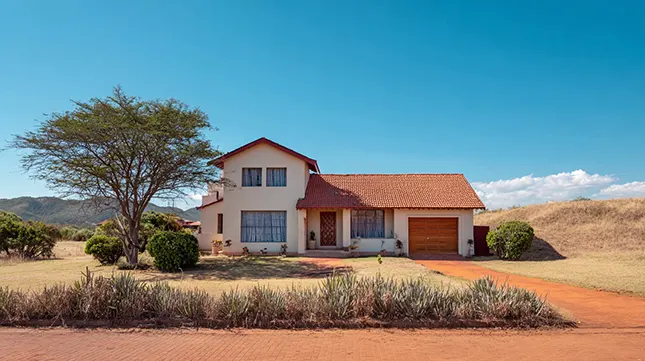
Foreigners can freely purchase urban homes, though agricultural land is restricted. Windhoek offers a strong rental market, with most properties let unfurnished.
Foreigners are permitted to buy urban residential property, including houses and apartments. Purchasing agricultural land generally requires government approval and is rarely granted.
Rental markets are strongest in Windhoek, where most properties are offered unfurnished.
While prices are significantly lower than in the UK, high-end rentals can still command premium rates.
Cost of Living in Namibia

While housing and fuel are significantly cheaper than in the UK, be prepared for higher prices on imported goods and electronics due to reliance on South African supply chains.
Although living costs are lower than in the UK, Namibia is more expensive than many expect for Africa.
This is largely due to reliance on imported goods from South Africa.
At a glance:
- Housing costs are significantly lower than in the UK
- Imported goods and electronics are expensive
- Locally produced meat is excellent value and high quality
- Electricity costs are relatively high
- Fuel is cheaper than in the UK
For a more detailed breakdown, check out Numbeo.
Healthcare in Namibia

Private healthcare in Namibia is excellent. Ensure you have comprehensive medical insurance to access the best hospitals in Windhoek.
Public healthcare facilities are underfunded and generally not recommended for expats. Private healthcare, particularly in Windhoek, is of a very high standard.
Comprehensive medical insurance is essential, and most expats rely on private hospitals and specialist clinics for routine and emergency care.
Education and International Schools

Windhoek offers excellent private and international schools following Cambridge and IB curricula, ensuring a smooth academic transition for expat children.
For families, schooling is a major consideration.
Windhoek International School offers the International Baccalaureate curriculum, while schools such as St Paul’s College and St George’s Diocesan School provide Cambridge-based education.
The academic year runs from January to December.
Life Beyond the Cities: Exploring Namibia

Living in Namibia puts you on the doorstep of world-class sights like Sossusvlei, Etosha National Park, and the Skeleton Coast.
Living in Namibia means having some of Africa’s most extraordinary natural landscapes within easy reach.
Highlights include Etosha National Park, the towering dunes of Sossusvlei, the Skeleton Coast, and the ancient rock art of Damaraland.
What UK Expats Often Wish They’d Known Before Moving
Many newcomers are surprised by how slowly administrative processes can move outside major cities. Other common realities include:
- Internet reliability drops sharply in rural areas
- Desert conditions are tough on vehicles and electronics
- Imported furniture and household goods are costly
- Planning shipments carefully can save significant money
Planning Your Move to Namibia from the UK
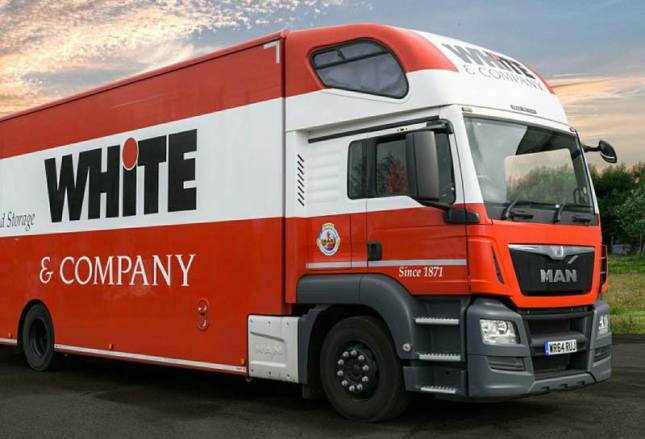
Relocating to Namibia is an adventure, but international logistics require careful planning. White & Company has over 150 years of experience in overseas removals and is a member of BAR, FIDI, and OMNI.
Whether you’re shipping a 4×4, personal belongings, or a full household to Windhoek or the coast, our specialists manage packing, customs, and transit so you can focus on settling into life in Namibia.
If you’re ready to start planning your move, speak to our international removals team or request a tailored quote today.
Frequently Asked Questions About Living in Namibia
Is Namibia a good country to live in?
Yes. Namibia is politically stable, English-speaking, and widely considered one of the safest countries in Africa. It offers a slower pace of life, a warm climate, and a good standard of living for expats, particularly in Windhoek and coastal towns.
Is Namibia a good place to live for British expats?
Yes. British expats generally find Namibia easy to settle into due to the use of English, familiar legal and banking systems, and strong private healthcare. Many UK nationals move for retirement, remote work, or lifestyle reasons.
How long can UK citizens stay in Namibia without a visa?
UK passport holders can stay in Namibia for up to 90 days within a 12-month period without a visa for tourism. Living or working in Namibia requires the appropriate visa or residence permit.
Is Namibia safe to live in?
Namibia is one of the safest countries in Africa. Violent crime is uncommon, though petty theft does occur, mainly in urban areas. Most expats live comfortably with basic home security and common-sense precautions.
What is the cost of living in Namibia?
The cost of living in Namibia is lower than in the UK, especially for housing and fuel. However, imported goods such as electronics and furniture are expensive, and electricity costs are relatively high.
Can foreigners work in Namibia?
Yes, but work permits are difficult to obtain. Employers must prove that no Namibian citizen can fill the role, which limits opportunities for foreigners. Many expats work remotely for overseas companies or relocate on retirement or residence permits.
Does Namibia have a digital nomad visa?
Yes. Namibia offers a Digital Nomad Visa allowing remote workers to live in the country for up to six months, provided their income is earned outside Namibia and minimum income and insurance requirements are met.
Do I need a car to live in Namibia?
Yes. A car is essential for daily life in Namibia due to long distances and limited public transport. Most expats own a vehicle, and a 4×4 is recommended because many roads outside cities are gravel.
Can foreigners buy property in Namibia?
Yes. Foreigners can freely buy urban residential property such as houses and apartments. Buying agricultural or farm land usually requires special government approval and is rarely granted.
Is healthcare in Namibia good for expats?
Private healthcare in Namibia is very good, particularly in Windhoek. Most expats rely on private hospitals and clinics, supported by comprehensive medical insurance. Public healthcare is underfunded and not recommended for expats.
Can I bring my pets to Namibia?
Yes. Cats and dogs can be imported with an approved import permit, veterinary health certificate, and valid rabies vaccination. The process must be arranged in advance and may involve additional permits depending on travel routes.

Max is a seasoned writer and blogger in the real estate and home moving sectors, as well as a knowledgeable source of information for expatriates living and working abroad. His detailed insights have helped thousands of people move and live abroad with greater simplicity and ease.
Posted in: News
Leave a Comment (0) ↓
)