


Moving Abroad in 2026? 16 Things To Consider Before You Leave

Thinking about uprooting your life and moving abroad in 2026?
Perhaps you are tired of the long winters in the UK and are searching for warmer climes, are you retiring and want to be closer to family living abroad, a job opportunity, or just to experience life in a new country?
Whether you’re chasing sunshine, career opportunities, adventure or a calmer lifestyle, there’s a lot to think about before you pack a box.
Moving abroad in 2026 is not cheap either, especially if you plan to ship your belongings.
Add children into the mix, schools, childcare, health provision, and you soon realise that there is a raft of things to sort out both before you leave and upon arrival.
However, if you have a solid plan, you are flexible, and you have the help of an experienced removal company, it’s a decision very few regret making.
Below is the updated, no-nonsense guidance you need — including the latest on visas, taxes, removals, healthcare and more.
Moving Abroad in 2026
Moving abroad in 2026 requires early planning, as UK citizens now need visas for most long-term stays and moving costs have increased. Before you leave, make sure you:
-
Confirm visa and residency requirements for your destination well in advance.
-
Plan finances carefully, including removals, healthcare, taxes, banking, and currency exchange.
-
Use an experienced international removals company to manage shipping, customs paperwork, and insurance.
-
Arrange healthcare and health insurance before departure, as NHS access usually ends once you live abroad.
-
Decide what to ship, store, or sell, since moving everything at once is often unnecessary.
-
Prepare an exit plan that covers returning to the UK, stored belongings, and financial flexibility.
Planning these areas early reduces costs, avoids delays, and makes relocating abroad far smoother.
For a full breakdown of visas, costs, removals, healthcare, and practical checklists, continue reading the guide below.
1. Why Moving Abroad Still Matters in 2026

Whether it’s for retirement or adventure, moving abroad remains a popular choice despite shifting costs and visa rules.
People leave their home countries for a bunch of reasons, as we have already discussed. In 2026, these motivations haven’t changed much, but the way of moving has evolved.
The UK’s post-Brexit reality means UK citizens now need visas for most EU countries and beyond, with a few exceptions, such as Ireland, thanks to the Common Travel Area.
Plus, global living costs and tax rules have shifted in many popular destinations, so early planning is more important than ever.
2. Visas & Residency – The First Thing to Sort
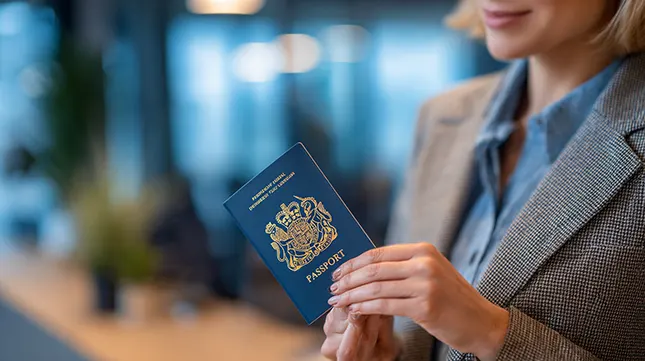
Post-Brexit, UK citizens need visas for most countries. Always secure your residency rights before booking flights.
Before you book flights or call a removals company, you’ve got to make sure you can legally live where you want.
That means you must have the right visas in place before you attempt to travel.
- Check visa requirements early; even countries with “easy” access (e.g., much of Europe) will still require residency applications if you intend to stay longer than 90 days.
- Work, retirement, digital nomad or family visas all have different requirements. Don’t assume a tourist visa will cut it if you’re moving long-term.
- Brexit matters. Post-2020 freedom of movement no longer exists, so planning ahead is key, especially for EU countries.
Official UK government guidance on living abroad is worth bookmarking: GOV.UK – Moving, living or retiring abroad.
3. Financial Planning: Not Sexy, But Critical

Don’t overlook the hidden costs. Budget for currency transfers, pension provisions, and international tax liabilities early.
Let’s be honest, money is one of the biggest moving abroad stressors and underestimating what must be paid for is a big mistake.
You need to budget for:
- Currency transfers and banking fees
- Moving costs (shipping, flights, temporary housing)
- Local deposits and first month’s rent
- Healthcare and insurance
- Tax liabilities
- Pension provision
- Pet transportation
Pro tip: Many expats totally misunderstand how UK tax and pensions work when living overseas.
Filling in form P85 with HMRC when you depart helps sort your tax residency status and avoid surprises later.
You can easily avoid rookie financial mistakes by thinking ahead about dual tax residency, maintaining or closing UK accounts, and planning for retirement income overseas.
4. Choosing a Removals Company That Won’t Steal Your Sanity

For peace of mind, always choose an international mover with BAR, FIDI, or OMNI accreditation to handle your shipping.
Shipping your belongings abroad is not like moving home within the UK.
Far from it, you must do your homework carefully and choose an accredited removal company:
- Look for international movers with real industry accreditation (e.g., British Association of Removers (BAR), FIDI, OMNI) – this really matters.
- Compare multiple quotes and watch out for hidden fuel or storage surcharges.
- Ask about insurance, tracking, and customs paperwork support.
A long-haul move is a big logistical puzzle; work with people (such as White & Company) who’ve literally done it thousands of times.
5. Have You Considered Temporary Storage?

Not ready to take everything? Secure storage allows you to move in stages while you settle into your new life.
Once you’ve decided to move abroad, it’s worth thinking carefully about what you’ll travel with and what’s better left behind.
Taking everything in one go isn’t always practical, especially if your plans are still evolving or your new home isn’t ready.
Temporary storage can be a smart solution, giving you flexibility while you finalise property sales, secure long-term accommodation overseas, or settle into a new routine.
Many international removals companies offer secure short- and long-term storage options, allowing you to move in stages rather than all at once.
Even for temporary work placements abroad, knowing your belongings are safely stored can provide reassurance until you’re ready to ship them over.
6. Banking & Money Matters

Inform your UK bank before you leave and research local account requirements to avoid frozen cards on arrival.
Nothing kills holiday vibes faster than a frozen bank card abroad.
- Tell your UK bank before you go — unexpected foreign transactions can trigger blocks.
- Research opening a local bank account early; many countries now require proof of address or specific documentation before they will allow you to open an account.
- Consider an international or multi-currency account if you’ll earn in one currency and spend in another.
Pro tip: switching to local phone/telecom plans is a good way to save money, but check SIM unlocking requirements with your current provider first.

7. Healthcare & Insurance: Don’t Wing It
This is not one of those things you sort out after arrival; it should be arranged before you start your journey.
- Remember, NHS entitlement ends once you become a permanent resident abroad, so sort private or state-subsidised healthcare in your new country before departure.
- Some countries (especially in the EU) have mandatory health insurance requirements; failing to meet them could result in fines or, worse, denial of emergency care.
- Private health insurance is easy to arrange, and plenty of companies are eager for your business. Bupa and AXA are popular choices.
Plus, get clarity on how medical care works where you’re going; it’s foundational to starting your new life there.
8. Deciding What Happens to Your UK Property

Renting offers income, while selling provides capital. Weigh up the responsibilities of being an overseas landlord carefully.
If you own a home in the UK, moving abroad forces an important decision: do you rent it out or sell it?
Renting can provide a steady income stream and keep a foothold in the UK property market, but it also comes with responsibilities, tax implications, and ongoing maintenance, often managed from thousands of miles away.
Selling offers a cleaner break, releasing capital to help fund your new life overseas and reducing long-term commitments.
However, once the property is sold, that safety net disappears if plans change and things don’t work out abroad.
There’s no one-size-fits-all answer, so it’s worth carefully weighing up your financial position, future plans and appetite for ongoing involvement before deciding which option makes the most sense for you.
9. Housing: Rent First, Buy Later

Renting initially gives you time to explore neighbourhoods and understand the local property market without pressure.
Unless you know the property market like a local, renting first is almost always the smarter move when relocating abroad.
It gives you breathing space to explore different neighbourhoods, understand commute times, and work out where you actually want to live, not just what looked good online.
Renting also helps you avoid rushed, expensive mistakes in unfamiliar property markets, where buying rules, taxes, and fees can vary widely from those in the UK.
In many countries, foreign buyers face additional regulations or higher purchase costs, which aren’t always obvious at first glance.
Once you’ve settled in, understand local property laws, and found your daily rhythm around work, schools, and transport, you’ll be in a far stronger position to buy in the place of your choosing with confidence.
10. Pets: Passport, Plans & Paws

Bringing the family pet? Start vaccinations and paperwork early to meet strict entry rules and avoid quarantine.
Moving abroad with pets adds another layer of logistics, and it’s not something you can sort out at the last minute.
Animals become very stressed when they encounter unfamiliar surroundings, smells, or people. You want to make the relocation as smooth as possible for them.
Different countries have strict rules around microchipping, rabies vaccinations, blood tests, and parasite treatments, all of which must be completed in a specific order and within set timeframes.
Some destinations also impose quarantine periods, which can range from a few days to several weeks, depending on where you’re moving to and where your pet is coming from.
Airlines and transport providers have their own regulations too, including crate specifications and seasonal travel restrictions.
Starting the process early gives you time to meet all legal requirements, avoid unnecessary stress, and ensure your pet arrives safely, comfortably and without costly delays.
11. Culture, Community & Settling In

Join local expat groups and learn the language to help overcome homesickness and build a new social circle.
Sorting the paperwork gets you there, but feeling at home takes a little longer.
Learning even a basic level of the local language can make everyday tasks, from shopping to dealing with officials, far easier and more enjoyable.
Before you move, it’s worth joining local expat or community groups on platforms like Facebook or Meetup, as they’re invaluable for advice, social connections and local recommendations.
It’s also completely normal to experience a period of homesickness, especially in the early weeks.
Getting out, exploring your new surroundings, and building routines help this phase pass more quickly than you might expect.
Be brave and get out of your comfort zone; you will be pleased you did.
12. Driving, Vehicles & Local Transport Rules

Check if you can exchange your UK licence or if you’ll need an International Driving Permit for your new country.
Driving in a foreign country takes a little time to get used to. Take it easy and familiarise yourself with driving customs before you take to the road.
Here are a few pointers:
- Don’t assume your UK licence will automatically be accepted long-term.
- Some countries allow a straight licence exchange.
- Others require a driving test after a set period.
- International Driving Permits (IDPs) may be required for short-term use.
If you’re shipping a car, check import taxes, emissions rules, and registration costs.
In many cases, buying locally and selling in the UK is cheaper and less stressful.
From documentation to road conditions and local rules and regulations, the AA website is an excellent source of helpful information for drivers that covers most of the countries worldwide.
13. Schooling & Education Options (If You’re Moving as a Family)

Moving with kids? Research international and state schools early, as waiting lists and fees vary significantly.
When children are part of an international move, schooling quickly becomes one of the biggest factors shaping where and how you live.
Education systems vary widely between countries, so it’s important to research the availability of state, private and international schools early.
Language of instruction is a key consideration, particularly for younger children, and international schools often have long waiting lists and generally higher fees.
It’s also worth checking how the local school year aligns with the UK calendar, as this can affect transitions and exam stages.
Even if you’re moving without children, it’s wise to understand education options, as many people relocate long-term and later decide to settle permanently.
14. Digital Life: Internet, Work & Online Access

Remote worker? Always check broadband speeds and VPN legality in your destination before you commit.
In 2026, reliable internet is non-negotiable, especially for remote workers or digital nomads.
Some locations, such as remote villages, mountainous regions and poorer countries, may not have the technology or connection you need to work from home.
Well, before committing to a particular destination:
- Check average broadband speeds in your target area.
- Confirm mobile coverage outside city centres.
- Understand VPN legality (some countries restrict usage)
- Make sure your work setup complies with local tax and employment laws.
“Working remotely” doesn’t always mean “working legally” it’s worth checking.
For home workers, investigating this before your arrival is critical and can be overlooked with so many other things to consider.
15. Customs Restrictions on Household Goods

Avoid fines by checking prohibited items. Professional movers can guide you on restrictions for food, plants, and medicines.
When moving abroad, it’s important to understand that not all household belongings can be shipped freely across international borders.
Many countries have strict customs regulations designed to protect public health, agriculture, and local markets.
Items such as alcohol, food products, plants, seeds, and wooden furniture are often restricted or require special certification.
Certain electrical appliances may also be prohibited if they don’t meet local voltage or safety standards, while medicines and supplements can be tightly controlled or banned altogether.
Firearms and ammunition: These are classified as strategic goods and cannot be shipped without the proper export license.
Failing to declare restricted items can lead to delays, fines or even confiscation at the destination port.
This is where using a professional international removals company becomes invaluable, as they’ll guide you through customs paperwork, advise on prohibited goods and help ensure your shipment clears customs smoothly.
16. Checklist: What You Need to Do (In Rough Time Order)

From 6 months out to the final weeks, use a structured checklist to stay organised and reduce last-minute stress.
To help you organise yourself in good time, take a look at our handy “checklist” of what to do and when:
6+ Months Before
- Research visa/residency requirements.
- Start financial and tax planning.
- Gather important documents.
3–6 Months Before
- Decide what you’re shipping vs storing vs selling.
- Book international removals
- Apply for visas or residence permits.
1–2 Months Before
- Notify banks/credit cards.
- Arrange insurance (health, property)
- Book temporary accommodation if needed.
Final Weeks
- Pack essentials separately (important docs, medicines)
- Confirm travel plans.
- Say your goodbyes — but not forever.
Planning for the ‘What Ifs’ When Moving Abroad
Moving abroad in 2026 is still one of the most rewarding leaps you can make, but it’s also one of the most complex.
From visas and taxes to culture shock and healthcare, every decision impacts your quality of life overseas.
This one gets overlooked, but it matters.
Few people expect to be returning anytime soon when planning a move abroad, but a “what if” backup plan makes sense.
A clean exit plan doesn’t mean you expect to fail; it means you’re being smart and weighing up all your options “just in case.”
Ask yourself these questions:
- How easy is it to return to the UK if plans change?
- Will your belongings be easy to ship back?
- Are your pensions, savings and property structured flexibly?
- Do you retain a UK address for banking or admin purposes?
Do your homework, plan early, work with pros where it matters and embrace the adventure with your eyes open!
White & Company – Expert Support for Your Move Abroad

Choosing a trusted international removals company is the only way to start planning your move.
Moving abroad is exciting, but it can also feel overwhelming, especially when you’re juggling paperwork, logistics, children, and big life decisions all at once.
That’s where White & Company comes in to make moving abroad in 2026 easy.
With over 150 years of experience in international removals, we’ve helped individuals and families relocate smoothly to destinations across the globe.
As trusted members of BAR, FIDI, OMNI, we combine global reach with hands-on expertise, handling everything from professional packing to secure international shipping.
Whether you’re moving an entire household or just a few valued belongings, our experienced team will support you at every stage of the journey.
If you’re ready to take the next step, or simply want some advice, you can call us, complete our quick quote form, or chat with our Bot.
We’re here to help turn a daunting move into an exciting new beginning.
FAQs: Moving Abroad in 2026
1. Is it harder to move abroad from the UK in 2026?
Yes, it is more complex than before Brexit, as UK citizens now need visas for most long-term stays. However, with early planning and the right support, moving abroad is still very achievable.
2. How much does it cost to move abroad in 2026?
Costs vary widely depending on destination, shipment size, and services used. Most people need to budget for removals, flights, visas, healthcare, insurance, accommodation deposits, and currency exchange fees.
3. Do I need a visa to move to Europe from the UK?
In most cases, yes. UK citizens can usually stay in the EU for up to 90 days without a visa, but longer stays require a residency or long-stay visa arranged in advance.
4. Should I ship all my belongings when moving abroad?
Not always. Many people choose to ship only essential items and place the rest in temporary storage until plans are finalised. This offers flexibility and can reduce costs.
5. What is the biggest mistake people make when moving abroad?
Underestimating the planning required. Delays with visas, healthcare, banking, or removals often cause stress and extra expense. Starting early and using experienced international movers helps avoid these issues.

Max is a seasoned writer and blogger in the real estate and home moving sectors, as well as a knowledgeable source of information for expatriates living and working abroad. His detailed insights have helped thousands of people move and live abroad with greater simplicity and ease.
Posted in: News
Leave a Comment (0) ↓
