


Moving from Namibia to the UK – 2026 Relocation Guide

Are you thinking of moving from Namibia to the UK?
Relocating from Namibia to the UK is a major life move, whether you’re returning home after years abroad, relocating for work or study, or making a long-planned change for family or lifestyle reasons.
While many UK nationals living in Namibia remain closely connected to home, the practical reality of moving back can feel daunting without the right information and support.
From immigration rules and customs regulations to shipping household goods across continents, there are plenty of moving parts to consider.
Planning ahead is essential, particularly when relocating from outside Europe, where timelines, paperwork and logistics are more complex.
This 2026 relocation guide is designed to walk you through the key considerations when moving from Namibia to the UK, helping you understand what to expect, how to prepare, and how professional removals support can make the process far smoother.
Why Are People Moving from Namibia to the UK?

From being closer to family to accessing the NHS and UK education, there are many reasons expats choose to return.
There are many reasons UK nationals and long-term residents choose to relocate from Namibia back to the UK.
For some, it’s a natural return after working overseas for several years, while others move to be closer to family, support ageing relatives, or give children access to UK education.
Career progression is another common factor, particularly for those seeking broader job opportunities or industry-specific roles that are not readily available locally in Namibia.
Healthcare access also plays a role. While Namibia has private healthcare options, returning residents often value the long-term security of the NHS.
Lifestyle changes, shifting priorities, or simply feeling it’s “time to come home” are equally valid reasons.
Whatever the motivation, moving back to the UK involves more than booking a flight.
Understanding the logistical, legal and financial implications early on helps ensure the transition is positive rather than stressful.
Visa and Immigration Considerations
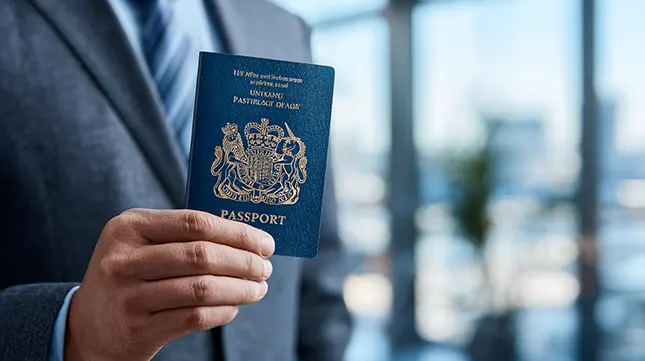
British citizens can return freely, but non-UK family members may need visas. Always check the latest 2026 immigration rules early.
The first consideration is going to be visas; without the right one, you won’t get far.
Your UK immigration requirements will depend on your nationality and residency status.
British citizens returning from Namibia have the right to live and work in the UK without applying for a visa.
However, if you hold permanent residence, a spousal visa, or another immigration status, different rules may apply.
Non-British family members relocating with you may require a visa, such as a family, work, or study visa.
Each route has specific criteria, documentation requirements, and processing times.
In addition, if you previously held indefinite leave to remain but have been absent from the UK for more than two years, you may need to apply for a Returning Resident visa.
Immigration rules can change, so checking official guidance well ahead of your move is critical.
Leaving visa arrangements until the last minute is one of the most common and costly mistakes people make when returning to the UK.
The UK Government provides all the latest information regarding visa requirements.
Shipping Household Goods and Customs Rules

You may qualify for Transfer of Residence (ToR) relief, allowing you to bring your household goods into the UK tax-free.
Your next task will be planning how to get your personal belongings back home.
Moving household belongings from Namibia to the UK involves international shipping, customs clearance and careful paperwork.
Most people relocate via sea freight due to volume and cost considerations, though air freight may be used for essential items or smaller consignments.
When importing personal belongings into the UK, you may qualify for Transfer of Residence (ToR) relief, which allows you to bring used household goods into the country without paying customs duty or VAT.
To qualify, you typically need to demonstrate that you’ve lived outside the UK for at least 12 months and that the items have been owned and used prior to your move.
Applications for ToR relief must be submitted before your shipment arrives.
An experienced international removals company (such as White & Company) can guide you through the import documentation, helping avoid delays, unexpected charges, or goods being held at port.
What You Can and Cannot Bring to the UK
This is one area where international moves from Namibia to the UK can easily run into trouble.
Items that feel perfectly normal to pack overseas can cause delays, inspections, or even confiscation at the UK border if they don’t meet import rules.
The UK has strict regulations covering what can enter the country, what requires permission, and what is prohibited entirely.
Fresh meat, dairy products and homemade food items from outside the UK are almost always banned.
Plants, seeds and natural materials may require phytosanitary certificates, while firearms, antiques and certain cultural goods need prior approval.
Even decorative items made from untreated wood, animal products or shells (items commonly bought in Namibia) can raise red flags if documentation is missing.
The safest approach is to be cautious with food, plant and animal-based items.
Always check the latest guidance on GOV.UK before you pack, and if you’re unsure, leave it behind.
One questionable item simply isn’t worth a shipment being held for inspection, at your expense!
Cost of Living and Financial Planning

Be prepared for higher costs in housing and utilities. A solid financial plan helps you adjust to the UK cost of living.
Moving from Namibia to the UK often involves a significant financial adjustment.
While costs vary by location, the UK has a higher cost of living than Namibia, particularly for food, housing, utilities, transport, and childcare.
Cities in the south of England are among the most expensive, while northern regions and smaller towns may offer better value if your budget is tight.
It’s important to plan for both upfront and ongoing costs.
Initial expenses may include visa fees (where applicable), international shipping, short-term accommodation, and rental deposits.
Once settled, everyday costs such as council tax, energy bills, commuting and food should be factored into your budget.
On the positive side, employment opportunities and earnings potential may be higher, and access to public healthcare can reduce long-term medical costs.
A realistic financial plan helps you settle more comfortably and avoid early pressure after arrival.
If you are transferring large sums, a Financial Advisor may be the way forward.
An experienced advisor can help you to re-acquaint yourself with the UK tax system and investments, possibly saving you money in the process.
There are plenty of companies that specialise in helping returning expats, such as Ross Naylor and Belvins Franks.
Finding Somewhere to Live in the UK

Whether renting or buying, research regional property prices early, as the market varies significantly across the UK.
You will find the housing market has changed considerably over the last few years.
While prices have risen steadily, in the past few months since the budget, many property values have started to drop, this could be a good time to invest in the UK.
Another point to think about is that values vary significantly by region, making research essential before committing to a long-term home.
Many returning residents choose to rent initially, giving them time to readjust a little while exploring areas, understanding commuting options, and deciding where they truly want to settle.
Rental demand can be high, particularly in popular cities, and landlords often require references, proof of income, and a deposit.
If you’re planning to buy, be aware that mortgage requirements may differ for returning expatriates, especially if your income history is overseas.
Temporary accommodation on arrival can provide breathing space while you view properties in person and make informed decisions about location, budget and lifestyle.
Online property portals are extremely useful for researching the cost of property in the areas you are considering moving to; the most popular are Rightmove and Zoopla.
Taking the time to familiarise yourself with what it is going to cost you to rent or buy will give you a head start before your return.
Re-Entering the UK Workforce

Update your CV to UK standards and use online job boards to explore opportunities in your sector before you arrive.
For many people returning from Namibia, employment is one of the first priorities to tackle.
The UK job market moves quickly and offers opportunities across sectors such as healthcare, technology, education, finance, logistics and the creative industries.
If you’ve been overseas for a while, it’s worth updating your CV to UK standards, refreshing your LinkedIn profile, and gathering recent references alongside any previous UK experience.
Salary levels and demand vary widely by region, so researching current trends can help set realistic expectations.
Job boards such as Indeed and Reed provide a useful snapshot of vacancies, while the National Careers Service offers impartial advice on training, skills and career planning for returners.
Helping Children Settle Back into UK Life

Research catchment areas and admissions criteria early to help your children adjust to the UK education system.
Returning to the UK with children brings its own challenges, and settling into school life is often the biggest concern for families.
Even when children are familiar with the UK, adjusting to a new school, new routines and new friendships can take time, particularly if they’ve spent many years abroad or were born there.
It’s good to know that there’s a wealth of guidance available for parents navigating this transition.
Resources like Expat Arrivals offer practical advice on helping children readjust after living overseas.
Most UK state schools operate on a catchment-area basis, so researching schools early and understanding admissions criteria is essential.
Applications are handled by your local authority, which you can find via GOV.UK. To compare schools, inspection reports and performance data are available through Ofsted.
It takes time for young ones to re-adjust and settle; a little patience goes a long way here.
Take a look at our blog aimed specifically at helping children cope with a house move.
Bringing Pets Back to the UK

Ensure they have a microchip, valid rabies vaccination, and the correct health certificates to avoid quarantine.
For many families, pets are part of the move, not an afterthought.
Returning to the UK from Namibia with animals requires careful planning to ensure everything is compliant with UK import rules.
Pets typically need a microchip, up-to-date rabies vaccinations, and the correct health documentation to enter the country without quarantine.
The process can take time, particularly if vaccinations or paperwork need updating, so early preparation is key.
For Official guidance on pet travel, approved routes and documentation, it is strongly advisable to check the latest rules well before your travel date.
With the right preparation in place, your pets can travel safely and legally with as little stress as possible and quickly settle into UK life alongside the rest of the family.
Driving, Transport and Everyday Life

UK roads are busier than Namibia’s. Check if you can exchange your driving licence and prepare for heavier traffic.
For those returning from Namibia, driving on the UK roads is going to be an experience.
The roads here are often congested, and roadworks are endless, a stark contrast from the long, relatively quiet and direct roads in Namibia.
However, if you plan to drive in the UK, it’s important to understand licence rules.
Some overseas licences can be used for a limited time, after which you may need to exchange or apply for a UK licence.
Requirements depend on your licence type and residency status, so checking early avoids disruption.
The Gov.UK website has a handy tool that can advise you on whether you can drive in the UK with your non-GB licence.
Public transport is widely available across the UK, particularly in cities and larger towns.
Trains, buses and underground systems make commuting feasible even without a car, though costs vary.
Adjusting to UK routines from colder weather to different working patterns can take time, but most returnees find the transition easier when practical arrangements are sorted in advance.
Healthcare and Re-Registering in the UK

Register with a local GP as soon as you arrive to ensure you have access to prescriptions and healthcare services.
Getting your healthcare arrangements in place early is an important part of returning to the UK from Namibia.
Once you arrive, you should register with a local GP surgery as soon as possible, as this is your gateway to NHS services, prescriptions and specialist referrals.
If you’ve been living outside the UK for an extended period, you may be asked to complete additional paperwork to re-establish your eligibility for NHS treatment.
This is usually straightforward, but it’s best not to delay registration, particularly if you have ongoing medical needs.
If your medical records are held by healthcare providers in Namibia, requesting copies before you leave can help ensure continuity of care.
While English is widely used, having clear, complete documentation will make the transition smoother.
Alongside healthcare, remember to re-register for council tax, National Insurance and any UK services you’re entitled to, while formally closing off any Namibian administrative ties before departure.
Ready to Plan Your Return from Namibia?
Moving back to the UK from Namibia isn’t a decision to rush, but it doesn’t need to feel overwhelming either.
You’ve already adapted to life abroad; now it’s about planning your return in a way that works for you and your family.
From checking visa or residency status to organising your household belongings and understanding the financial implications, a methodical approach makes all the difference.
The more informed and prepared you are, the smoother the transition will be.
With the right planning in place, returning to the UK becomes less about stress and more about starting the next chapter with confidence.
How White & Company Supports Moving from Namibia to the UK
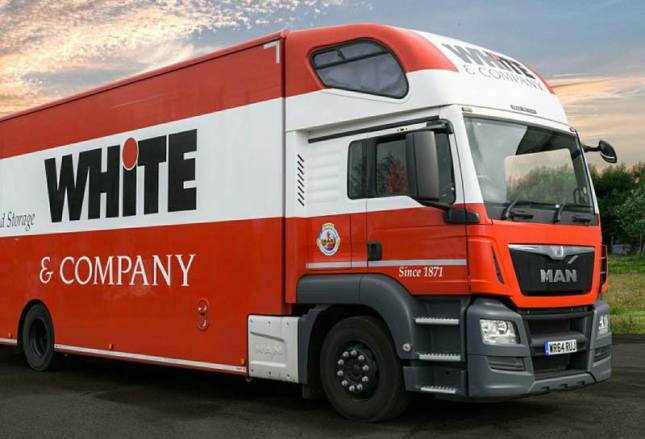
With a heritage dating back to 1871, White & Company has helped thousands of people relocate internationally, including complex long-distance moves from Africa to the UK.
International removals involve far more than transport alone, and experienced support can make the process significantly easier.
From confirming your immigration status to coordinating shipping, customs and timelines, a clear plan removes uncertainty and keeps everything on track.
The key is acting early and working with professionals who understand international relocations from start to finish.
We are here to help, just get in touch and we can assist you with your homeward trip from Namibia.
Plus, we are members of the removal industry’s most respected regulator, the British Association of Removers (BAR), and together we will ensure your return experience is a positive one.
It is easy to get in contact with us, we are waiting for your call!

Max is a seasoned writer and blogger in the real estate and home moving sectors, as well as a knowledgeable source of information for expatriates living and working abroad. His detailed insights have helped thousands of people move and live abroad with greater simplicity and ease.
Posted in: News
Leave a Comment (0) ↓
