
The Cost of Moving House in 2026 – Your Ultimate Guide

Moving house is one of life’s biggest logistical and financial undertakings, and it pays to understand where your money will go and how much you’re realistically likely to spend on the cost of moving house.
In 2026, it has never been more expensive to move home, with higher property prices, professional fees, and everyday living costs all contributing to the overall bill.
For many people, the true cost of moving is only fully realised once the process is already underway.
Plus, the total cost of moving house in the UK can vary significantly depending on your situation.
Costs differ widely depending on whether you’re simply hiring a removals company or managing a full property move that includes conveyancing, legal fees, stamp duty, surveys and estate agent charges.
Add in packing services, storage or temporary accommodation, and budgets can quickly stretch further than expected.
Below is a practical, no-nonsense breakdown of the main costs involved, designed to help you plan with confidence, budget accurately, and avoid any unwelcome surprises along the way.
1. Removals Company Costs and What to Expect

Costs vary by property size, with a 3-bedroom house averaging £1,000–£1,500+. Booking early secures better rates and availability.
With life being so busy, many opt to get a professional removal company in to do the hard work.
However, hiring a professional removals company can be one of the biggest contributors to your moving-day costs.
- For a 1-bedroom flat, you might pay around £800 – £900.
- For a 2–3-bedroom home, typical removal costs average £1000–£1,500+.
- Larger houses and extra services (packing, specialist items, long carry distances) can push costs into the £1,800–£2,000+ range.
London and densely populated areas often run 25–35% higher due to congestion charges, parking permits and access challenges.
Pro tip: Booking early and comparing at least three quotes helps you avoid inflated last-minute prices and gives room to negotiate.
The British Association of Removers (the removal industry regulator) recommends obtaining multiple estimates before committing.
2. The Full Moving House Picture – Beyond Removals

When you add legal fees, stamp duty, and surveys, the average cost of buying and selling in 2026 can reach £13,000–£15,000.
It’s no big shock that moving home is almost as stressful as going through a divorce!
There is so much to do, think about and arrange. If your move involves buying and selling a property, removals are just one piece of the puzzle.
According to cost-of-move calculators and market data, the average total bill for buying and selling a home, including stamp duty, legal fees, surveys, mortgage fees and removals, is in the region of £13,000–£15,000 in 2026.
Here are some typical costs to add to your budget:
- Stamp Duty Land Tax (SDLT) this varies by property price and buyer status. Check the latest rates using the official GOV.UK SDLT calculator.
- Estate agent fees are most often 1–2%+ of sale price.
- Conveyancing/legal fees can run to around £800–£1,500+.
- Survey costs come in around £400–£800 depending on level and property type.
- Mortgage arrangement fees vary but on average are £0–£2,000+.
- Removals and packing are typically £900–£1,500+ for most houses.
Even after moving day, budget for essential setup costs such as utility connections, council tax registration and minor home updates.
Moving home is not for the faint-hearted, that’s for sure.
3. Factors That Influence Your Move Cost

Distance, volume, and access issues all impact your quote. A cross-country move with specialist packing will naturally cost more than a local hop.
Your final bill will vary depending on these major drivers:
Property Size & Volume
More rooms, furniture and belongings = more staff, time and potentially a larger vehicle. A five-bedroom house typically costs significantly more to shift than a 2-bed flat.
Move Distance
Local moves within 20–50 miles cost less than long-distance relocations across regions. Some companies add mileage or hourly rates for cross-country moves. European or International moves also add extra costs.
Packing & Extras
Packing services, storage, specialist handling and packaging materials such as crates (pianos, antiques) all add to your bottom line.
Access & Logistics
Properties with narrow access, stairs, no parking permits, or restricted delivery windows increase labour time and costs.
4. DIY vs Professional a Quick Comparison
A DIY move is often chosen to keep costs down, but many people underestimate what’s involved.
Beyond van hire and fuel, there are packing supplies, parking restrictions and the risk of damaging furniture or property.
Time off work needs to be factored in, and physical exhaustion can add to the real cost.
A professional removals company handles the entire process efficiently, using trained staff and specialist equipment to minimise risk.
When you weigh up the hidden costs, stress, and time involved, professional removals often prove to be the smarter and more cost-effective option.
That’s why many people choose professional help for house moves to reduce risk and ensure timetables are met.
5. Other Moving Costs People Often Forget to Budget For

Don’t forget to budget for the “small” things like storage, childcare, and parking permits—they add up quickly!
Beyond removals and legal fees, there are several additional costs that can quietly inflate the overall price of moving house if they’re not planned for in advance.
- Homebuyer’s Report or Survey – If you’re buying a property, a survey is strongly recommended. A Homebuyer’s Report typically costs £400–£700, while a full Building Survey can range from £600–£1,200+, depending on property size and location.
- Buildings & Contents Insurance – Insurance cover is often required by mortgage lenders before completion. Combined buildings and contents cover usually starts from £150–£300 per year, though premiums vary based on property value and risk.
- Council Tax – Council tax payments may overlap (or increase if you are upscaling) if there’s a gap between moving out and selling, or if you’re liable from the day you complete. Monthly costs vary widely but commonly range from £120–£300+, depending on band and local authority.
- Removals MoveProtect- While most professional removals companies include standard cover, you may choose to upgrade for higher-value items.
- Storage –If there’s a delay between moving out and moving in, storage may be necessary. Storage typically costs £100–£300 per month, depending on unit size and location.
- Extra Moving Day Costs – Many people overlook practical extras such as childcare or pet care on moving day (£50–£150), professional end-of-tenancy cleaning (£150–£400), and parking permits or suspensions (£50–£150), especially in cities.
Budgeting for these smaller but essential costs helps avoid financial surprises and keeps your move financially on track.
6. Ways to Manage or Reduce Costs

Decluttering before you pack is the single most effective way to lower your removal costs. If you don’t move it, you don’t pay for it.
There are some obvious and not so obvious way to keep moving cots down:
- Declutter before you move — less to transport = lower costs.
- Book removals early — it offers you better availability and pricing.
- Compare quotes carefully — cheapest isn’t always best, but knowing the market helps you negotiate.
- Consider packing some yourself — even partial self-packing can sometimes trim the bill.
Pro planning and realistic budgeting make the difference between stress and a financially smooth move.
Have a look at our blog for more cost-cutting ideas: “Cheap Removals – 10 Ways to Reduce Moving Costs”
Ready to Plan Your Move?
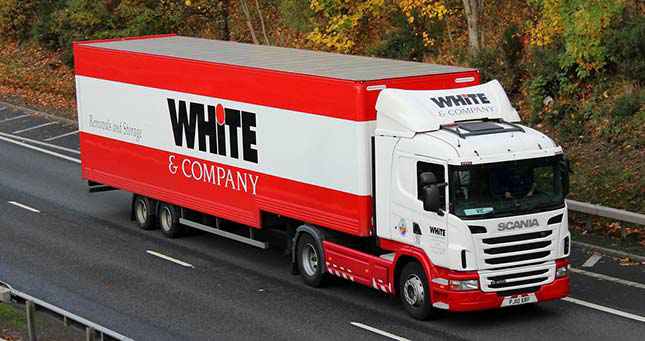
The cost of moving house in 2026 can feel daunting, but understanding where your money goes puts you firmly in control.
From removals and storage to surveys, planning ahead allows you to budget accurately and move with confidence rather than uncertainty.
As a member of the British Association of Removers, White & Company meets strict industry standards for quality and reliability.
With 17 branches nationwide, all offering secure storage solutions, help is never far away wherever you’re moving from or to.
If you’re thinking about your next move, get in touch today for expert advice and a no-obligation quote.
You may also find our articles on preparing for moving day all useful as you plan your next steps:
- 47 Packing Tips Guaranteed to Make Your House Move Run Smoothly
- Moving House During the School Holidays
- New Year, New Home: The Ultimate Decluttering Guide for New Year’s Movers

Max is a seasoned writer and blogger in the real estate and home moving sectors, as well as a knowledgeable source of information for expatriates living and working abroad. His detailed insights have helped thousands of people move and live abroad with greater simplicity and ease.

Posted in: News
Leave a Comment (0) ↓