


European Removals After Brexit: What UK Movers Need to Know in 2026

Thinking of a European relocation but unsure of how Brexit has altered the European removals process?
Moving from the UK to Europe used to be pretty straightforward. Since Brexit, however, the process has changed.
Anyone planning European removals from the UK now needs to consider customs paperwork, residency rules, and different transport procedures.
The good news is that relocating to Europe is still entirely achievable, and thousands of people continue to move to France, Spain, Portugal and beyond every year.
The key is understanding how cross-border moves now work and preparing properly well before the removal van arrives.
This guide explains the essentials UK movers should know in 2026, from documentation and customs checks to planning timelines and working with professional removal companies experienced in European relocations.
Quick Overview: European Removals After Brexit
If you’re planning a move from the UK to Europe, here’s a quick snapshot of what this guide covers and what to expect in 2026.
- Why Many Brits Still Choose to Move to Europe
Warm climate, lifestyle benefits, affordable property, and thriving expat communities. - How Brexit Changed European Removals
Customs rules introduced; household goods are now treated as imported belongings. - Customs Paperwork and Documentation
Inventories, proof of residence, passports, and customs declarations are now required. - Planning a European Move Timeline
Allow six to eight weeks to organise surveys, paperwork, and logistics. - Local Expertise and Key UK Transport Routes
Major ports and experienced movers help shipments cross borders smoothly. - Understanding Import Rules in European Countries
Each EU nation has slightly different customs and residency requirements. - Transport Options for European Removals
Dedicated vehicles, shared loads, and containers depending on shipment size. - Storage Solutions During an International Move
Short- or long-term storage helps bridge gaps in property completion. - Planning Your Move with White & Company
Experienced BAR-accredited movers guiding customers through the entire process.
In short, European relocations after Brexit simply require better planning, the right documentation, and an experienced removal company to keep everything running smoothly.
Why Many Brits Still Choose to Move to Europe

Despite the extra paperwork, the Mediterranean sunshine, affordable property, and relaxed lifestyle continue to draw thousands of UK expats.
Despite the extra paperwork since Brexit, Europe remains a hugely attractive destination for British movers.
The appeal is easy to understand. Warmer climates, relaxed lifestyles, and relatively affordable property prices continue to draw thousands of UK residents across the Channel each year.
Countries such as Spain, France, and Portugal remain particularly popular thanks to their established expat communities, excellent healthcare systems, and diverse regions, from coastal towns to vibrant cities.
According to data from the UK Office for National Statistics, European destinations still account for a significant proportion of long-term moves abroad.
Whether it’s the Mediterranean sunshine, French countryside living, or Portugal’s laid-back coastal lifestyle, Europe offers British movers a wide variety of places to start a new chapter.
How Brexit Changed European Removals
Brexit introduced new rules affecting household moves between the UK and EU countries.
What used to be a relatively simple relocation now involves customs declarations and compliance checks.
Household goods moving into the EU are typically treated as imported personal belongings.
This means providing a detailed inventory, proof of residency abroad, and sometimes additional paperwork depending on the destination country.
It is very important to adhere to the destination country’s import regulations to avoid having certain items destroyed, along with a hefty fine or worse, a prison sentence for doing so.
You can download a copy of your European destination’s customs regulations via the FIDI website.
Professional removal firms experienced in European removals can handle these requirements and ensure your shipment complies with both UK export and EU import procedures.
Customs Paperwork and Documentation
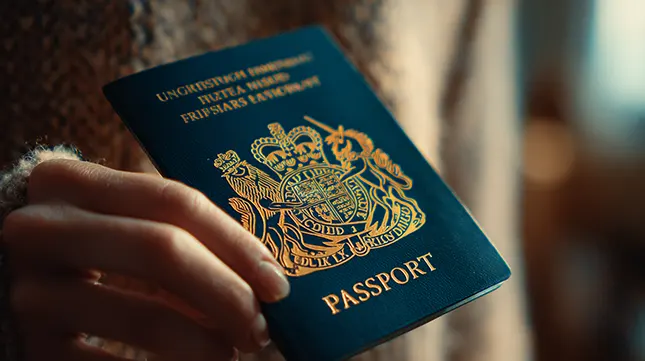
To avoid costly border delays, you must prepare a detailed inventory, proof of residence, and Transfer of Residence (ToR) customs declarations.
Documentation is one of the biggest changes since Brexit. Without the correct forms, your belongings could face costly delays at border controls.
European removals now require submission of:
- A detailed inventory of all items being transported plus, their value.
- Proof of residence in the destination country
- A copy of your passport
- Customs declaration paperwork
Many removal companies manage this process using the Transfer of Residence (ToR) system for UK departures.
You can learn more about customs procedures via the European Commission’s official guidance.
Working with experienced movers such as White & Company, who are totally familiar with the nuances of exporting used household effects to Europe, helps ensure paperwork is submitted correctly before your belongings leave the UK.
Planning a European Move Timeline

Moving across borders requires meticulous coordination. Allow a minimum of six to eight weeks to organise your surveys, documents, and logistics.
Timing matters far more now than it did pre-Brexit. Moves across borders require more preparation and coordination between logistics teams and customs authorities.
Most experts suggest allowing 6–8 weeks of planning time for European removals from the UK.
This ensures there is enough time for surveys, inventories, documentation, and scheduling transport.
White & Company offers advice on preparing for overseas moves, from visas, housing and healthcare to schools and driving abroad.
Some EU countries also have seasonal demand spikes during spring and summer, which can affect removal availability.
Planning early helps avoid unnecessary stress.
A Note on Local Expertise

From major hubs in London to the busy ports of Dover and Portsmouth, local expertise ensures your shipment crosses the border smoothly.
Across the UK, experienced international movers handle hundreds of European relocations every day.
For example, teams based around major logistics hubs such as London, Southampton and Portsmouth frequently coordinate removals to France, Spain, and Portugal.
Ports like Dover and Portsmouth International Port play a key role in transporting household shipments across the Channel, particularly for road freight heading into mainland Europe.
More information about UK ferry routes and transport corridors is available on the Port of Dover website.
Using a removal company that is local to and also understands these routes helps ensure your belongings move smoothly through UK and EU checkpoints.
White & Company have branch depots dotted across the UK, including London, Southampton and Portsmouth.
We can arrange packing, collection, and onward transportation of your consignment quickly and, importantly, correctly.
Understanding Import Rules in European Countries
Every EU country has its own rules for incoming household goods. While many regulations are similar, small differences can affect your move.
For example:
- France often requires proof of residency and a certificate of change of residence.
- Spain may request a NIE number for customs clearance
- Portugal requires an NIF number, and most European destinations require confirmation that goods have been owned for at least six months
The EU’s “Your Europe” portal explains residency and relocation requirements across member states:
A removal company familiar with European regulations can guide you through country-specific requirements before shipping begins.
Transport Options for European Removals

Whether you need a dedicated vehicle for a full house or a cost-effective shared part-load, choose the option that best fits your budget.
Many European removals from the UK are carried out using road freight via specialist removal vehicles.
These vehicles travel through ferry routes or the Channel Tunnel before continuing to the destination country.
Depending on the size of your move, there are usually two main options:
- Dedicated loads – a vehicle used solely for your belongings.
- Part-load/shared transport – combining smaller moves on one vehicle.
Part loads are common for smaller relocations and can reduce costs while still offering reliable delivery.
If you are exploring other destinations in the EU, such as the Greek islands and Cyprus, your personal effects will travel in either a 20,or 40ft container, possibly with other people’s belongings headed for the same port of entry (groupage).
The best option to suit your situation will depend on the destination, volume, budget, and delivery timeline.
Storage Solutions During an International Move

Waiting for your European property to complete? Secure short-term storage keeps your belongings safe while your relocation plans fall into place.
Storage can be a great option for those planning European removals.
There are numerous reasons why storage in the UK or your new country might appeal to you.
In some cases, such as a new build, you may not be ready to receive your belongings or you have purchased a home that requires substantial renovations, in these situations, storage becomes a useful part of the moving process.
Many removal companies offer secure short- or long-term storage facilities before shipping goods overseas or after they reach Europe.
This flexibility can help if you’re waiting for property completion or
White & Company’s flexible storage services can be a lifesaver.
The added bonus with White & Company is that all our depots have their own on-site storage facilities, meaning that third-party companies are not involved.
If you need them, storage options help keep your belongings safe while your relocation plans fall into place.
Planning Your European Move with White & Company
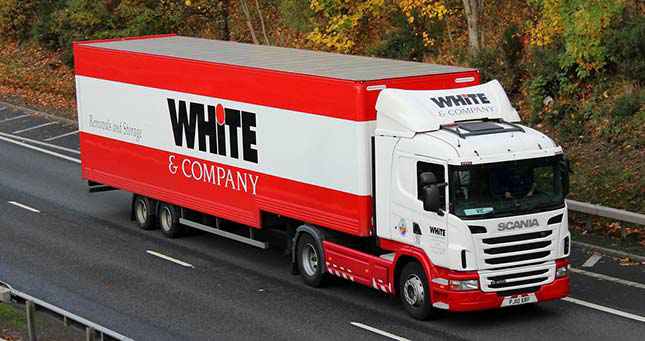
European removals after Brexit with White & Company
Now that you know that relocating to Europe involves more steps than it once did, you will want to choose your moving company very carefully.
White & Company has decades of experience managing European removals from the UK.
In this time, we have helped thousands of our customers navigate customs procedures, transport logistics and delivery schedules.
As proud members of the British Association of Removers (BAR), they follow strict industry standards and provide customers with additional peace of mind through the Advanced Payment Guarantee scheme.
No matter where you are planning to move in Europe, our experienced teams can guide you from the initial house move survey right through to final delivery in your dream European home.
Give us call today to discuss your European move and how together, we can make it happen.
FAQs – European Removals after Brexit
Do I need a visa to move from the UK to Europe after Brexit?
This depends on the country and how long you intend to stay. Short visits are usually visa-free for UK citizens, but long-term relocation typically requires residency permits or visas.
How long does a European removal take from the UK?
Delivery times vary depending on the destination and whether you choose a dedicated or shared load. Many moves within Western Europe take between 7 and 10 days.
Are customs duties charged on personal household items?
Household goods imported into Europe are exempt from duty if they are used personal belongings that you have owned for at least 6 months and you are transferring residence. However, customs documentation is still required.
What if some of my items are new?
In this case, you must show proof of purchase, such as an invoice indicating their value. You may also be required to pay import taxes or duties on these items.
Can removal companies handle customs paperwork?
Yes. Experienced international movers usually assist with documentation, inventories, and customs forms as part of their European removals service.
What items cannot be transported internationally?
Items such as hazardous materials, flammable substances and certain food products are often restricted. Your removal company will provide guidance before packing begins and you can check your destination customs regulations to be absolutely sure.
Is insurance recommended for international removals?
Yes. Transit insurance helps protect your belongings while they are transported across borders and through customs procedures.

Max is a seasoned writer and blogger in the real estate and home moving sectors, as well as a knowledgeable source of information for expatriates living and working abroad. His detailed insights have helped thousands of people move and live abroad with greater simplicity and ease.
Posted in: News
Leave a Comment (0) ↓
