
Living in Bournemouth A Guide to Life & Work in Dorset (2026)

Thinking about living in Bournemouth?
It remains one of the most popular places to live on the south coast.
This vibrant seaside town continues to attract families, professionals, and retirees alike, all drawn in by its golden beaches, relaxed pace of life, and strong transport links, not to mention some of the best weather on the south coast.
No matter the attractions Bournemouth offers, like any move, it pays to understand what day-to-day life really looks like before you commit.
From updated property figures to the latest regeneration news and local hotspots, this guide gives you a clear, honest picture of what living in Bournemouth is like right now.
A Short Overview of This Blog
This guide covers everything you need to know about relocating to Bournemouth in 2026, from current property and rental figures to regeneration news, lifestyle, and schools. Here is the short version.
- Why Bournemouth: coastal living, strong transport links, and continued investment across the BCP area.
- Property market: average prices remain around £310,000 to £355,000 depending on source and area, with rents holding close to £1,400 per month.
- Regeneration: a major Boscombe scheme and a new 10-year BCP Growth Plan are driving improvements in jobs, transport, and housing.
- Best areas: something for every budget, from Westbourne and Southbourne to Sandbanks.
- Work and lifestyle: a diversifying job market, a two-hour rail link to London, and seven miles of beaches on the doorstep.
In short, Bournemouth still offers a strong lifestyle-to-cost balance, though it is worth planning ahead given continued demand.
Why Bournemouth Still Stands Out in 2026
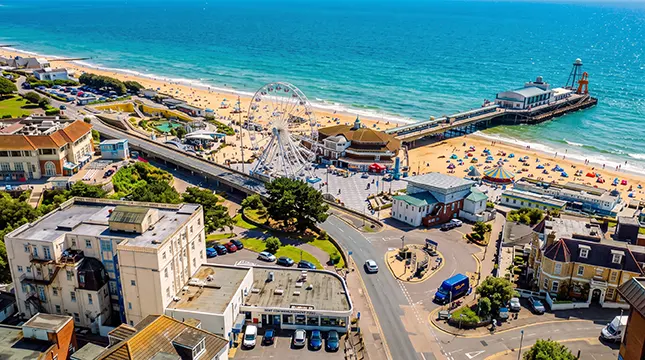
Embracing coastal calm and urban convenience. Experience the perfect balance of a lively town centre sitting right alongside seven miles of stunning sandy beaches.
Bournemouth has always had a certain pull, but in recent years its appeal has strengthened even further.
It strikes that rare balance many seek, between coastal calm and urban convenience.
You get miles of sandy beaches, a lively town centre, and excellent access to London, all wrapped into one.
The town also benefits from being part of the wider Bournemouth, Christchurch, and Poole (BCP) area, which continues to see significant investment.
In June 2026, BCP Council set out its new 10-year BCP Growth Plan, backed by more than £750 million of ongoing investment across the area, with a focus on jobs, affordable housing, and improved transport links.
Nearby, work has begun on the multi-million-pound regeneration of Boscombe, where the Hawkwood Road scheme will deliver a new community centre, retail units, 68 homes and a public park, helping keep the area feeling fresh rather than dated.
For many movers, Bournemouth offers something that is getting harder to find elsewhere: space, lifestyle, and relative affordability compared to major cities.
Property Prices & Housing Market in 2026
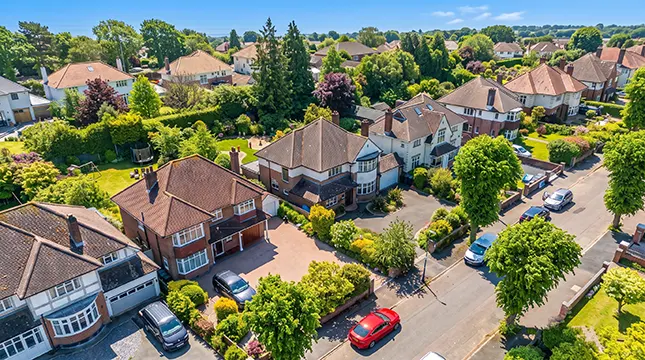
Budgeting for your new coastal home. Understand the local market, where average property prices currently sit around £355,000 depending entirely on the area.
The Bournemouth property market has held broadly steady over the past year rather than growing sharply, though it remains in high demand.
Average property prices across Bournemouth sit at around £355,000 based on the latest sold-price data, with flats averaging closer to £222,000 and detached homes closer to £515,000.
Across the wider Bournemouth, Christchurch and Poole area, Land Registry figures put the average nearer £311,000, reflecting the mix of property types across the region.
First-time buyers are typically paying closer to £259,000, according to recent official figures.
Prices still vary hugely depending on location. Areas like Sandbanks and Westbourne command premium prices, while Winton and Boscombe remain more accessible for first-time buyers.
For renters, average monthly rents now sit at around £1,400, according to the latest ONS Price Index of Private Rents, a modest rise on last year and continued evidence of steady demand for coastal living.
Take a look at Rightmove or Zoopla for all the latest listings in the Bournemouth area.
Cost of Living in Bournemouth
Bournemouth sits slightly above the UK average for overall living costs, but it is still considerably cheaper than other towns and cities across the UK, such as London.
A single person can expect to spend roughly £800 to £1,100 per month excluding rent, while total living costs, including accommodation, can push well beyond that, depending on lifestyle.
Again, the difference compared to London is significant. You would need considerably more per month in London to maintain a lifestyle that costs noticeably less in Bournemouth.
Day-to-day expenses such as groceries, transport, and dining out remain relatively manageable, which is one of the key reasons people continue to relocate here.
If you are on a tight budget, local stores such as Aldi and Lidl, along with Bournemouth’s many local markets, can help cut your spending considerably.
Numbeo provides anyone considering a move to Bournemouth with the latest cost-of-living prices.
Best Areas to Live in Bournemouth
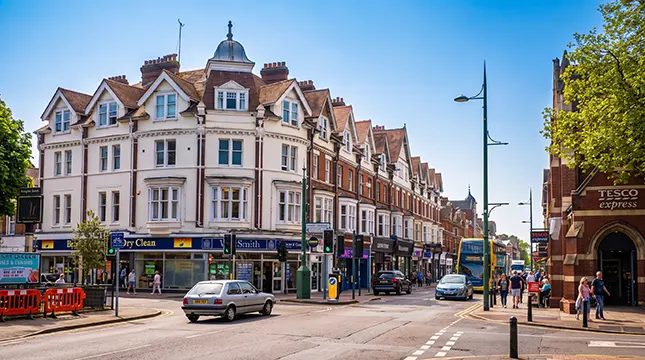
Property Prices & Housing Market in 2026
Where you choose to live in Bournemouth depends on your lifestyle and budget, but here are some top locations.
- Westbourne is a firm favourite for professionals, offering a mix of independent shops, cafés, and easy access to Alum Chine beach.
- Southbourne has grown hugely in popularity, particularly with young families and remote workers, thanks to its laid-back vibe and coastal charm.
- Winton and Charminster provide great value and strong rental demand.
- Sandbanks remains one of the UK’s most exclusive coastal locations, known for its luxury homes and waterfront views.
- Boscombe is also worth watching closely, with the new Hawkwood Road regeneration set to bring fresh homes, shops, and public space to the area over the next few years.
Each area has its own personality, so it is worth spending time exploring before making a final decision.
Jobs, Economy & Commuting

Working locally and travelling further. Benefit from a strongly diversifying digital and finance sector alongside highly reliable two-hour direct rail links straight into London.
Bournemouth’s economy has continued to diversify, with strong sectors including digital, finance, tourism, and education.
Many residents commute to nearby towns or even London, thanks to direct rail links that can get you into the capital in around two hours.
For those working remotely, Bournemouth is particularly attractive, offering a far better lifestyle than most major cities without sacrificing connectivity.
Local transport is also set to improve. The area’s new Local Transport Plan 2026 to 2041, developed alongside Dorset Council, aims to reduce congestion and make travel more reliable across BCP, regardless of how people choose to get about.
Check out popular online job sites such as Indeed and Reed for the latest employment opportunities within a 15-mile radius of Bournemouth.
Lifestyle, Leisure & Things to Do When Living in Bournemouth

Enjoying your new hometown. Spend your weekends paddleboarding, walking the long seaside promenade, or exploring the beautiful nearby New Forest.
This is where Bournemouth really comes into its own. With seven miles of award-winning beaches, there is no shortage of outdoor space.
Whether it is morning walks along the promenade, paddleboarding in the summer, or simply enjoying the sea views, the coastal lifestyle is a major draw.
Investment continues along the seafront too, with upgrades to Bournemouth Pier and East Cliff stabilisation works planned as part of the council’s ongoing regeneration funding.
Beyond the beach, you have gardens, theatres, restaurants, and a growing food scene.
The town also hosts regular events throughout the year, from air shows to seasonal festivals, helping to create a real sense of community.
For families, there are plenty of parks and attractions nearby, while the New Forest is just a short drive away for weekend escapes.
Bournemouth’s tourist website is the best place to discover just what you can do and see in Bournemouth.
Schools & Education

Securing a solid future for your family. Settle into a town offering excellent primary schools alongside highly regarded institutions like Bournemouth University.
Bournemouth offers a solid mix of primary and secondary schools, alongside further education options such as Bournemouth University and Arts University Bournemouth.
Many families are drawn to the area for its balance of good schooling and lifestyle.
As with most parts of the UK, catchment areas can play a big role, so planning ahead is essential if schools are a priority.
For everything you need to know about schools in Bournemouth, head to the council website.
Bournemouth & Poole College is popular with school leavers, offering further and higher education courses across most subjects at all levels, delivered through seven specialist teaching faculties.
For older students, Bournemouth University has a strong academic reputation and ranks among the top 5% of apprenticeship providers nationally.
Is Bournemouth a Good Place to Live in 2026?
In a word, yes, but it depends on what you are looking for.
If you want a slower pace of life, access to the coast, and more space for your money than London, Bournemouth is hard to beat.
The town continues to evolve, with ongoing investment and a growing reputation as a lifestyle destination.
However, rents and property demand mean it is no longer the cheap seaside option it once was.
Like many desirable locations, you pay for the lifestyle.
Planning Your Move to Bournemouth

Professional house removals and moving support for your next home move.
Moving to Bournemouth is an exciting step, but like any relocation, it comes with challenges.
From packing up your home to coordinating timelines, having the right support makes all the difference.
Working with an experienced removals company such as White & Company, including our dedicated Bournemouth branch, ensures your move runs smoothly from start to finish, whether you are relocating locally, nationally, or internationally.
If your move is likely to fall over the festive period, our guide to moving house over Christmas covers what to plan for, what to avoid, and how to make it work.
White & Company are proud members of the British Association of Removers, giving you added peace of mind throughout your move.
Get in touch today and get your move to Bournemouth started.
Frequently Asked Questions About Moving Home
1. What is the best time of year to move house?
Spring and early autumn are the most popular times to move, thanks to milder weather and more properties coming onto the market. Summer holidays and the run-up to Christmas can be busier and pricier for removals, so booking early always helps if your date falls in a peak period.
2. How do I choose the right removals company?
Look for a company accredited by a recognised body such as the British Association of Removers, read recent reviews, and get at least three quotes so you can compare like for like. A reputable mover should be happy to carry out a home survey and explain exactly what is and is not covered by their insurance.
3. When should I start packing before a move?
Ideally, begin packing non-essential items three to four weeks before moving day, working room by room. Leave everyday essentials, such as kitchen basics and toiletries, until the final few days, and keep a clearly labelled box of moving day essentials to hand.
4. Are my belongings insured during a house move?
Most professional removals companies include a level of goods-in-transit cover as standard, but it is worth checking the details and declared values carefully. If you are moving particularly valuable or fragile items, ask your removals company about additional cover to make sure you are properly protected.
5. Which utilities and services do I need to transfer when I move?
Key providers to update include gas, electricity, water, council tax, broadband, your bank, the DVLA, and home insurance. It is also worth arranging Royal Mail redirection so nothing important goes missing in the weeks after your move.

Max is a seasoned writer and blogger in the real estate and home moving sectors, as well as a knowledgeable source of information for expatriates living and working abroad. His detailed insights have helped thousands of people move and live abroad with greater simplicity and ease.
)
Posted in: News
Leave a Comment (0) ↓