
Moving to Australia from the UK: 50 Reasons to Go

Thinking seriously about moving to Australia from the UK? You’re in good company.
Whether it’s a long-held ambition or an idea that only recently took hold, Australia remains at the top of the emigration wish list for British families, and 2026 is no exception.
A resilient jobs market, a climate that rarely disappoints, and a genuine step up in day-to-day quality of life keep drawing thousands of Brits across the world each year.
This guide pulls together 50 reasons to seriously weigh up the move, refreshed for late 2026 with the latest visa, salary, and property figures so you’re working from current information rather than out-of-date guesswork.
From the practical groundwork of visas, banking, and cost of living to the everyday joys of the outdoors, food, and wide-open space, we’ve covered the full picture.
Settle in, read on, and see whether Australia might be the fresh start you’ve been considering.
A Short Overview of This Blog
This guide runs through the practical and lifestyle reasons Brits continue to choose Australia, updated with the latest 2026 visa and cost-of-living figures.
- Why Australia Still Appeals – The lifestyle, safety and long-term opportunity that keep pulling UK movers Down Under.
- Work, Career & the Economy – Salaries, in-demand sectors and where Australia’s economy stands heading into 2027.
- Visas, Costs & Housing – The Skills in Demand visa, current exchange rates, and up-to-date rent and property figures for Sydney, Melbourne, Brisbane, and Perth.
- Food, Culture & Everyday Life – From coffee and barbecues to slang, wildlife, and the Aussie attitude.
- Where to Live & How to Get There – Comparing the major cities and what your move with White & Company actually involves.
Use it as a starting point for your own research, then get in touch when you’re ready to talk logistics.
1. A Dream That Genuinely Stacks Up

Over 1.3 million British expats have already made the move Down Under, drawn by a relaxed lifestyle and a climate that truly delivers on its promises.
For many British families, Australia remains the number one entry on the emigration wish list, and it has held that spot for years.
More than 1.3 million people from the British diaspora now call the country home, and the most important trend is retention: once Brits make the move, the overwhelming majority choose to stay.
The process can feel daunting on paper, but thousands manage it every year without major drama, and communities such as Expat Forum are full of people happy to share what they’ve learned along the way.
If Australia has been sitting on your radar, 2026 is as good a year as any to move from thinking to planning.
2. Work-Life Balance That’s More Than a Slogan
Australians have a long-standing reputation for working hard without sacrificing everything else.
The standard working week sits at 38 hours, and flexible or hybrid arrangements are now the norm across most professional sectors, with a cultural expectation that work fits around life rather than the reverse.
Add generous public holiday allowances and easy access to beaches, parks and outdoor space, and it’s easy to see why so many Brits describe finally feeling able to switch off once they’ve settled in.
3. Weather That Lives Up to the Hype
This one genuinely matters, and Australia’s climate rarely disappoints.
Brisbane logs well over 2,800 hours of sunshine a year, while Perth enjoys sunshine on roughly 300 days.
Even the cooler southern states rarely see anything close to a grey, damp British December.
For a fuller regional picture, the Met Office Australia weather guide is a useful starting point.
Beyond comfort, that consistent warmth changes how you actually live: outdoor dining becomes routine, and weekend beach trips replace grey Saturday afternoons indoors.
4. A Broad, Resilient Jobs Market

Skilled professionals in healthcare, construction, and technology are in incredibly high demand across Australia’s thriving, high-wage economy.
Australia’s jobs market remains solid heading into 2027.
Skilled workers are actively sought across healthcare, construction, technology, renewable energy, education, and engineering, with the Australian skilled migration programme specifically designed to bring qualified people in from overseas to fill those gaps.
Average salaries for skilled professionals sit comfortably above AUD 90,000, and the national minimum wage remains among the highest in the OECD.
Job boards like SEEK and LinkedIn Australia give a realistic sense of what’s on offer, and what you could realistically earn, before you’ve even booked a flight.
5. Healthcare That Holds Up Well Against the NHS
Australia’s Medicare system gives permanent residents subsidised access to GP visits, hospital treatment, and a wide range of essential procedures.
For those used to the NHS, the comparison is largely favourable: specialist waiting times are often shorter, and facilities are modern and well-equipped.
Anyone on a temporary visa will need private health insurance in the meantime, though most find the cover both affordable and comprehensive, and cities like Sydney and Melbourne are home to genuinely world-leading hospitals and research institutions.
6. Consistently Ranked Among the World’s Safest Countries
Australia routinely features near the top of global safety rankings, and that’s about far more than crime statistics alone.
The Australian Federal Police operates alongside strong community policing, and social cohesion tends to run high across most cities and suburbs.
Natural disasters, including bushfires and flooding, remain a reality in certain regions, but the National Emergency Management Agency coordinates responses efficiently.
For families relocating with children, that underlying sense of stability is genuinely reassuring.
7. A Genuinely Family-Friendly Way of Life

Spacious suburban homes, free public barbecues, and an abundance of green parks make Australia an ideal, outdoor-focused environment for raising children.
Suburban Australian life is built with families in mind: homes tend to be spacious, gardens generous, and neighbourhoods well stocked with parks, playgrounds, and free public barbecue areas.
The outdoor lifestyle keeps children active and socially engaged, and schools are generally well-resourced and safe.
Many Brits who move with young children find that their kids settle in quickly and thrive in the relaxed, active environment.
8. An Education System That Punches Above Its Weight
Education in Australia is strong at every level, from well-resourced state schools to excellent independent institutions, and families genuinely have choice.
Many British expats find the curriculum broadly familiar, which eases the transition for children partway through their schooling; Kids Learning Guide’s breakdown of the Australian education system is a useful overview.
At university level, Australia performs strongly on the world stage, with the University of Melbourne and Australian National University consistently ranking among the world’s best, as shown in the Times Higher Education Australia university rankings.
9. Quality of Life That’s Genuinely Hard to Match
Australia has consistently placed inside the top ten of the World Happiness Report in recent years, with Australians reporting notably higher life satisfaction than their UK counterparts.
The combination of strong wages, clean environments, good public services, and accessible outdoor space adds up to a quality of life that’s difficult to replicate at home.
All of this comes at a price, and although the overall cost of living in Australia is higher than in the UK, higher average wages can help offset the difference.
A useful cost-of-living comparison tool, Numbeo, lets you run the numbers for your own situation before deciding anything.
For retirees especially, warmer weather, outstanding healthcare and a culture that encourages activity well into later life make Australia one of the world’s most popular retirement destinations.
10. Beaches, Coastline, and the Great Outdoors

Discover over 10,000 stunning beaches, where after-work ocean swims and weekend surf sessions effortlessly become part of your everyday routine.
Australia has more than 10,000 beaches. From the iconic Bondi Beach in Sydney to the quieter coves of Noosa on the Sunshine Coast, the coastline suits every mood.
For many expats, the ease of access to the outdoors shifts everyday routine most noticeably: after-work swims, weekend surf sessions, and coastal cycling paths become part of ordinary life rather than an occasional treat.
Check out the country’s top ten beaches.
11. A Multicultural Society That Absorbs Newcomers Easily
With more than 30% of Australia’s population born overseas, the country is one of the world’s most multicultural nations.
British expats become part of a diverse, well-integrated society where different cultures, languages, and traditions are embraced. This rich cultural mix shows up in everything from Australia’s food and arts to everyday community life.
This welcoming and inclusive environment is one of the many reasons British expats often settle into life down-under so quickly.
12. A Food Scene That Goes Well Beyond the Barbie
Australia has quietly become one of the world’s more exciting food destinations, shaped heavily by Asian, Mediterranean, and Middle Eastern communities.
Farmers’ markets pop up in most cities every weekend, and Melbourne in particular is often cited as a global food capital, with a café culture and restaurant scene that’s consistently inventive, from hole-in-the-wall noodle bars to high-end tasting menus.
13. Coffee Culture That’s Taken Very Seriously

Discover a world-class café scene where independent roasters and highly skilled baristas have perfected the globally iconic flat white.
Australia’s coffee culture is genuinely something to reckon with: skilled baristas, carefully sourced beans, and a commitment to quality that has shaped café culture worldwide.
The flat white, widely credited as an Australian invention, has since spread worldwide.
Independent cafés dominate the scene, particularly in Melbourne, and for dedicated coffee drinkers, this is one area that consistently exceeds expectations.
14. A Genuinely Global Dining Scene
With more than 270 different ethnic backgrounds contributing to Australia’s national identity, the culinary breadth on offer is remarkable.
Authentic Malaysian hawker food, Japanese ramen, Lebanese street food, Greek taverna classics and Italian delis all sit comfortably alongside one another, and chefs love to experiment, blending influences in ways that feel distinctly Australian.
15. Iconic Local Foods Worth Getting to Know
Every culture has its comfort foods, and arriving expats quickly encounter a whole new cast of favourites: the meat pie, barramundi fresh from Australian waters, the Tim Tam biscuit, Anzac biscuits, Lamingtons, and the Golden Gaytime ice cream.
You’ll also encounter Vegemite, an acquired taste that Australians defend fiercely; the official Australia tourism guide to iconic Aussie foods is a good place to start.
16. World-Class Wine, Right on the Doorstep

Spend your weekends exploring the internationally renowned vineyards of the Barossa or Hunter Valley, located just a short, scenic drive from the major cities.
Australia’s wine industry spans 65 distinct regions producing over a billion litres annually.
The Barossa Valley in South Australia, the Hunter Valley in New South Wales, and the Yarra Valley in Victoria are among the most celebrated, and many sit within easy driving distance of major cities, making a vineyard day trip an entirely realistic weekend plan.
For a fuller picture, Wine Australia’s regional guide is a great resource.
17. The Barbecue as a Genuine Way of Life
The Australian barbecue isn’t a summer-only event; it’s a year-round social institution, whether that’s a casual gathering at someone’s house or a beachside feast with new friends.
Many public parks across the country provide free gas barbecues for community use, maintained by local councils, which says something real about how Australians like to live.
18. A Relaxed, Direct and Refreshingly Down-to-Earth Attitude
The laid-back Australian personality isn’t a myth. People tend to be genuinely friendly, informal even in professional settings, and quick to welcome newcomers into conversations and social circles.
Beneath the easy-going surface, there’s a real work ethic, and the widely cited outlook that nobody is better than you, and you’re not better than anyone else, shapes both workplace and social life in meaningful ways.
For Brits who sometimes find class and hierarchy frustrating, that egalitarian streak is genuinely refreshing.
19. British Comforts Are Closer Than You’d Think

From Marmite and Walkers crisps to live Premier League football, Australia’s massive British expat community ensures your favourite home comforts are never far away.
Moving 10,000 miles from home doesn’t mean leaving everything familiar behind.
Australia’s large, well-established British expat community has helped create demand for familiar products, and speciality shops stock HP Sauce, Marmite, Walkers crisps and Cadbury’s Dairy Milk, while major supermarkets like Coles and Woolworths carry many recognisable British brands.
The Premier League is widely broadcast, pubs showing live football are easy to find in most cities, and a decent steak and ale pie is rarely far away.
20. A British Expat Community That’s Already There
You won’t be starting from scratch socially.
According to the Australian Bureau of Statistics, the English-born population of Australia stood at close to one million as of the last census, the single largest overseas-born group in the country, and that figure has continued to grow.
Fellow expats become a support network fast: people who understand exactly what you’ve left behind and what the adjustment feels like, and most Brits find themselves chatting to a fellow countryman within weeks of arriving.
21. Visas: What’s Changed Since Our Last Update
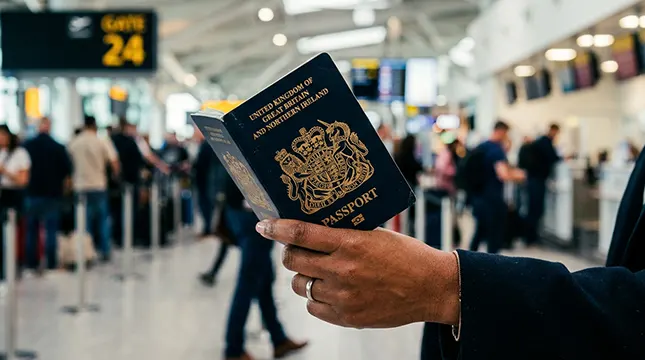
Navigate the new 2026 Skills in Demand (SID) visa pathways, featuring updated income thresholds and fast-track processing for specialist skills.
Getting the right visa remains the essential first step, and the picture has shifted since our last review of this article this summer.
The employer-sponsored Skills in Demand (SID) visa (subclass 482) that replaced the old Temporary Skill Shortage visa now runs across three streams: Core Skills, Specialist Skills, and a sector-specific Essential Skills pathway still being finalised for care, agriculture, and tourism roles.
The annual indexation that took effect on 1 July 2026 pushed the Core Skills income threshold up from AUD 76,515 to AUD 79,499, while the Specialist Skills threshold, which unlocks a fast-track processing lane, rose from AUD 141,210 to AUD 146,717.
Specialist Skills applicants earning above that threshold can expect a decision in as little as seven business days, with Core Skills applications generally processed in around 21 business days once lodged, though total timelines from sponsorship through to grant can still run considerably longer depending on your occupation and employer.
For skilled workers outside employer sponsorship, the points-based Skilled Independent (subclass 189) and Skilled Nominated (subclass 190) visas remain popular routes, rewarding age, qualifications, English proficiency, and work experience, with 65 points the baseline and competitive applicants typically scoring well above that.
The 2026-27 permanent migration programme continues to reserve the majority of its places for the skilled stream.
The Department of Home Affairs visa finder tool remains the most reliable way to identify which pathway suits your circumstances, and given how often the thresholds move, it’s worth checking again closer to your application date rather than relying on last year’s numbers.
22. The Economic Backdrop Heading Into 2027
Australia’s economy is best described as steady rather than booming as it moves toward 2027.
Inflation has eased from its recent peaks, unemployment sits at a historically solid level, and wages continue to rise across most sectors, with the government maintaining targeted tax relief measures to soften ongoing cost-of-living pressure.
For incoming expats, the overall picture remains positive: demand for skilled workers stays strong, particularly in healthcare, construction, technology, and renewable energy, even as the property market cools in some capitals and continues to run hot in others.
23. What Your Pounds Will Get You in 2026
As of late August 2026, the GBP to AUD exchange rate sits at roughly 1.90, meaning one pound buys around one Australian dollar and ninety cents, almost doubling your money.
That’s a modest softening from earlier in the year, when the rate briefly touched close to 1.94, but it still represents reasonable purchasing power for anyone converting UK savings into Australian dollars.
Tracking live rates through services such as OANDA or the Bank of England exchange rate data is worthwhile if you’re planning a significant transfer, since timing a currency conversion well can genuinely change your financial starting position, particularly if you’re buying property or investing shortly after arrival.
24. The Cost of Living: An Honest, Up-to-Date Look

While housing costs in cities like Sydney rival London, significantly higher average Australian salaries help comfortably offset the everyday cost of living.
The honest answer heading into 2027 is that Australia remains broadly comparable to the UK on overall living costs, but the city-by-city detail matters far more than any national average.
Sydney and Melbourne sit alongside London in terms of expense, particularly for housing, though the two cities have started to diverge: Sydney’s market has stayed firmly at the pricier end while Melbourne has become noticeably more affordable in relative terms over the past year.
Brisbane and Perth remain more accessible than the two largest capitals, though both have seen sharp rent growth recently as demand has outpaced supply.
Fresh produce, locally sourced meat and eating out can sometimes cost more than the UK equivalent, while utilities and public transport tend to work out cheaper.
A useful tool for running your own comparisons is Numbeo’s cost of living comparison.
The key offset remains salary. Australian wages are typically 20 to 30 per cent higher than UK equivalents in comparable roles, and the compulsory superannuation system means employers contribute an additional percentage of earnings toward retirement automatically, so the financial picture for skilled workers is often better than a simple price comparison suggests.
25. Renting First: Still the Sensible Starting Point
Most expats rent initially, and for good reason: it buys time to find your feet, explore different areas, and work out where you actually want to settle before committing to a purchase.
Rents across the capitals have kept climbing through 2026. Sydney remains the most expensive city for renters, with combined house and unit rents sitting at a record high, while Brisbane and Perth have posted the sharpest annual growth nationally as extremely tight vacancy rates (below one per cent in both cities) keep intensifying competition among renters.
Melbourne remains the most affordable of the larger capitals, helped by a comparatively higher vacancy rate that gives tenants a little more room to negotiate.
Properties are typically advertised with weekly, rather than monthly, rents, which catches many UK arrivals off guard, and a bond equivalent to four weeks’ rent is paid upfront to a government authority.
Popular search platforms include realestate.com.au and domain.com.au, both of which give a thorough, current picture of any given local market.
26. Buying Property: What’s Changed Since Our Last Review

Understand current foreign buyer regulations and explore incredibly diverse property markets across Sydney, Melbourne, Brisbane, and booming Perth.
Australia’s property market has moved on a fair amount since we last checked in on this article.
A temporary ban on foreign buyers purchasing established, previously lived-in homes remains in force until March 2027, so overseas buyers are currently limited to new or near-new dwellings and vacant land, and approval from the Foreign Investment Review Board is mandatory before proceeding.
Our dedicated guide, Buying a House in Australia as an Expat, walks through the FIRB process, mortgage options for non-residents and the taxes involved in far more detail than we can cover here.
The headline city figures as of mid-2026 show a market splitting sharply into two speeds.
Sydney’s median dwelling value sits at around AUD 1.28 million, Brisbane has surged past AUD 1.1 million, and Perth has climbed to just over AUD 1 million, all posting strong annual growth as buyers chase relative value and interstate migration.
Melbourne, by contrast, has been the most stable of the major capitals over the past year, with a median dwelling value closer to AUD 810,000, giving it a meaningful affordability advantage over Sydney for anyone weighing up where to buy.
Prices vary considerably between states and even individual suburbs, so thorough research before committing remains essential.
Staying informed on local trends via Cotality or Wise’s guide to buying property in Australia can make a real difference to your search outcome.
27. More Space to Build Your Dream Home
One of the less-discussed advantages of the move is what land availability does for self-build and new-build opportunities.
In the UK, finding a suitable plot at a reasonable price is genuinely difficult.
In Australia, particularly outside the major metropolitan areas, land remains considerably more accessible, creating real opportunities to design and build a home from scratch with the space and budget to do it properly.
28. Setting Up a Bank Account Before You Land
One of the most practical steps you can take before leaving the UK is opening an Australian bank account.
Australia’s four major banks, ANZ, Commonwealth Bank, NAB and Westpac, all offer migrant banking services that can be set up online before departure.
You’ll typically just need your passport, with a branch visit once you arrive to complete the process, removing a significant administrative headache and ensuring access to funds from day one.
29. Getting Around: Driving and Public Transport

Enjoy a seamless transition to Australian roads with familiar left-hand driving and highly efficient, smart-ticketed public transport networks in the major capitals.
The good news for UK drivers is that Australians drive on the left, so the fundamental adjustment simply isn’t there.
You can generally use your UK licence initially, though rules vary between states and a local licence is required after a few months of residency; the Australian Government’s guide to driving in Australia covers the state-by-state variations.
Public transport in major cities is efficient and well-maintained, with smart card ticketing systems such as Sydney’s Opal Card and Melbourne’s Myki making it easy to move between trains, buses, trams, and ferries.
30. What Every Brit Should Know Before They Arrive
There’s no language barrier, which makes the practical adjustment considerably easier than emigrating somewhere non-English-speaking, though Australian slang is its own thing and takes a little time to decode.
More significantly, the sun is genuinely intense: high-SPF sunscreen is non-negotiable, particularly in Queensland and Western Australia, and it’s worth drilling into children from day one.
The wildlife reputation is somewhat exaggerated but not without basis; awareness is the key, and encounters are genuinely rare in most suburban settings.
31. Space, Genuinely More of It Than You Can Imagine
Australia covers 7.7 million square kilometres, compared with the UK’s roughly 244,000. That difference in scale shows up in everyday life in ways that take time to fully appreciate.
An average of just three people per square kilometre means wider streets, bigger gardens, and more open green space, without the crowded, cramped feeling that’s become normal across many parts of Britain; the WorldData country size comparison puts the contrast in stark numerical terms.
32. A Clean, Green Place to Live
Australia regularly ranks among the countries with the cleanest air in the world, particularly outside the major city centres.
Environmental awareness is embedded in the culture, with strong community support for renewable energy and increasingly robust waste-reduction programmes at both government and individual levels.
33. National Parks and Natural Wonders at Every Turn

Explore over 500 beautifully protected national parks featuring some of the absolute most ancient, diverse, and spectacular landscapes on the planet.
Australia has more than 500 national parks, protecting some of the most extraordinary landscapes on earth, including six Commonwealth-managed parks spanning rainforests, coastal ranges, and ancient geological formations.
Around three per cent of the total Australian landmass is protected as national parkland, an area larger than the whole of Great Britain; the Parks Australia website is the definitive guide to what’s accessible and how to visit.
34. Wildlife Unlike Anything You’ve Seen Before
Australia is one of the most biodiverse countries on earth, home to around 370 species of mammals, 820 species of birds and over 300 species of snakes, the majority found nowhere else on the planet.
Kangaroos, koalas, wombats, quokkas, echidnas, and dingoes are all part of the landscape in a way that genuinely never loses its novelty; the Australian tourism wildlife guide is a great introduction.
35. Seven Distinct Natural Habitats in One Country
Australia’s vast size and varied climate support seven distinct natural habitats, from tropical rainforests and coastal ecosystems to arid desert and sub-Antarctic zones.
Each supports a unique range of flora and fauna found nowhere else on Earth; the Department of Climate Change, Energy, the Environment and Water provides comprehensive information for anyone wanting to dig deeper.
36. Exotic Produce You Won’t Find at Home

Wander through vibrant local farmers’ markets packed with fresh native ingredients, exotic tropical fruits, and incredible regional seafood.
One of the smaller but genuinely enjoyable discoveries of Australian life is the produce section of your local market.
Alongside familiar staples, you’ll encounter tropical fruits like lychee, mangosteen, jackfruit and black sapote, plus native ingredients like warrigal greens, and locally grown seafood that’s fresh, varied and often superb.
37. Bringing Your Pets Along
Australia is a nation of genuine animal lovers, and bringing pets along is entirely possible, though it requires careful planning.
Strict biosecurity laws mean only certain animals from approved countries can be imported, and a mandatory quarantine period of around ten days applies on arrival.
Getting the paperwork right well in advance is essential; Pets Abroad UK’s guide to importing pets to Australia is a clear resource for navigating the process.
38. Over 8,000 Islands to Explore
Australia’s territory extends to more than 8,200 islands, each with its own character.
Kangaroo Island in South Australia is famed for its extraordinary wildlife, Phillip Island in Victoria draws visitors for its famous penguin parade, and The Whitsundays in Queensland offer some of the finest sailing waters in the Southern Hemisphere.
39. A Gateway to Southeast Asia and Beyond
One unexpected bonus of relocating to Australia is what it does for your travel options.
Bali is a four-hour flight away, New Zealand three hours, and Singapore, Malaysia, Japan, Thailand, and dozens of Pacific Island destinations all become genuinely accessible in a way they simply aren’t from the UK, turning weekend trips that once meant a long-haul journey into something entirely ordinary.
40. A Sports Culture That Gets Under Your Skin

Embrace a genuinely sports-obsessed nation where Aussie Rules Football, cricket, and weekend surfing dominate the local community culture.
Australians are genuinely sports mad, with around 13 million adults regularly participating in recreational sport and watching is treated with equal seriousness.
Aussie Rules Football, rugby league and union, cricket, tennis, netball and swimming all command fierce, loyal followings; Sport Australia offers a comprehensive look at the national sporting landscape.
41. Joining a Club: The Fast Track to Belonging
Most Australian communities have a thriving network of local sports clubs, and newcomers are almost always welcomed, whether you want to play socially, compete seriously, or help out from the sideline.
Getting involved with a local club in your first few months is one of the most consistently recommended pieces of advice from expats who’ve already been through it.
42. Where British Expats Actually Tend to Settle
While the whole of Australia has its appeal, certain cities have developed strong British expat communities that make settling in particularly straightforward.
Sydney remains the most popular choice overall thanks to its iconic beaches and cosmopolitan energy, even as its median dwelling value has pushed past AUD 1.28 million; we’ve covered the city in full in Living in Sydney, Australia: An Expat’s Guide.
Melbourne offers arts, coffee culture and diverse dining alongside a strong professional scene, and many Brits consider it the most ‘European-feeling’ of Australia’s cities, with the added appeal of being the most affordable of the larger capitals right now.
Perth has become one of the fastest-growing property markets in the country, sun-drenched and spacious, with a relaxed, outdoor-focused lifestyle.
Brisbane offers a subtropical climate and a booming job market and continues to close the gap on the two largest capitals in terms of both prices and popularity.
Adelaide remains relaxed, affordable, and surrounded by exceptional wine regions, particularly popular with families and retirees who want quality of life without city-scale costs.
43. The Flight Is Long, But Australia Feels Closer Than It Sounds

Modern long-haul aviation makes the 10,000-mile journey surprisingly manageable, keeping family back in the UK just a flight away.
The distance between the UK and Australia sounds enormous, and at roughly 10,000 miles it genuinely is, but modern long-haul travel has made the journey more manageable than ever.
London to Sydney direct takes around 22 hours: a long day of flights, but manageable with a good playlist and a decent sleeping strategy.
If Australia ever doesn’t work out as planned, home is less than a day away, which takes some of the psychological weight off a big decision.
44. When to Book Flights Home for the Best Value
For those watching the budget, flight prices between Australia and the UK vary considerably through the year.
The cheapest windows tend to fall in late April to early June, September through to early December, and mid-January to late February once the holiday period has fully passed.
Booking four to six months ahead is consistently recommended for international routes, and keeping an eye out for promotional fares from carriers like Qantas and Singapore Airlines, typically run in February and September, can produce meaningful savings.
Skyscanner and Cheapflights are both straightforward tools for comparing options and setting price alerts.
45. Australian Customs: What You Need to Know About Importing
Australia takes biosecurity extremely seriously, and that extends to household goods arriving from overseas.
Quarantine officers inspect all incoming shipments, with particular scrutiny applied to outdoor furniture, garden tools, sports equipment, and anything that may carry soil, seeds, or plant material.
The penalties for non-compliance can be significant, so thoroughly cleaning all items before packing is essential; the Australian Border Force guide to importing personal effects sets out the requirements clearly.
46. Shipping Your Belongings: How It Actually Works

Rely on expert international movers to securely export-wrap, safely ship, and seamlessly clear your household goods through Australia’s strict quarantine borders.
Shipping household effects from the UK to Australia is straightforward when you work with an experienced international removals company.
Container loads are collected, packed to export standards, and transported by sea, typically arriving within eight to twelve weeks door to door depending on route and destination port.
On arrival, shipments are held at a bonded warehouse for quarantine inspection before being cleared and delivered to your new home; full container loads and shared load options are both available, depending on how much you’re sending.
For full details of our own service, visit the White & Company removals to Australia page.
47. Dining Out Under the Australian Sky
Al fresco dining isn’t a special occasion in Australia; it’s simply Tuesday evening.
The climate makes outdoor eating a natural default across most of the country for much of the year, and beachside terraces, vineyard restaurants, rooftop bars, and riverside cafés all make the most of the surroundings.
Many British expats cite that easy, sociable relationship with outdoor space and food as one of the most enjoyable differences in their daily lives.
48. Exploring Australia’s Extraordinary Island Territories

From the unique wildlife of Kangaroo Island to the pristine, world-class sailing waters of the Whitsundays, endless island adventures await right off the coast.
Beyond the mainland and the well-known holiday islands, Australia administers a remarkable range of remote territories, from Christmas Island in the Indian Ocean to Heard Island and the McDonald Islands in the sub-Antarctic.
While most expats will focus their exploring closer to home, the sheer geographical reach of Australian territory reminds you how vast and varied this country truly is.
49. The Practical Side of Arrival: Steps Worth Taking Early
Once your visa is secured and your move is planned, a few practical steps will make arrival much smoother.
Set up your Australian bank account before you land, register with Medicare as soon as you have permanent residency status, and research your state’s driver’s licence requirements so you’re not caught out by the transition rules.
None of these steps is complicated but doing them in the right order and ahead of time makes a real difference to how settled you feel in those first few weeks.
50. A Country That Consistently Delivers on Its Promise
Australia is one of those rare places where the reality genuinely lives up to the promise.
The climate is better. The outdoor lifestyle is more accessible. The career opportunities are broader across many sectors. The quality of life is higher by most meaningful measures.
That’s not marketing copy; it’s what the data shows and what expats consistently report back.
Making the move takes planning, paperwork, and patience, but for those who follow it through, the consensus remains remarkably consistent: most Brits who settle in Australia choose to stay.
Moving to Australia? White & Company Are Ready to Help
With over 150 years of experience in the removals industry, White & Company are one of the UK’s most trusted names in international relocation.
Regular services to Australia cover both full container loads and shared load options (groupage), with marine transit insurance available for complete peace of mind.
Secure storage facilities, accredited to European standards, are available at locations across the UK should you need them during your transition.
Before you book, it’s worth reading our guide to the questions worth asking any removals company so you know exactly what to look for, and if buying is on the cards, our guide to buying a house in Australia as an expat covers the FIRB process, mortgages and taxes in full.
From packing and export wrapping to customs clearance and delivery to your new Australian home, our team handles every stage with care and expertise.
To discuss your move or get a no-obligation quote, get in touch here.
We’re ready to help make your move to Australia a reality!
Frequently Asked Questions About Moving to Australia from the UK
How long does it take to ship belongings from the UK to Australia?
Allow six to twelve weeks door to door for a dedicated 20ft or 40ft container, and eight to sixteen weeks for a shared container.
Shared shipments take longer because your goods wait to be consolidated with other consignments at both ends.
Air freight cuts this to around one to two weeks but costs several times more, so most people use it only for a small box of essentials.
Port congestion, customs clearance and biosecurity inspection all sit outside your removal company’s control, so build a buffer into your plans rather than booking a rental to start the week your container is due.
How much does it cost to move to Australia from the UK?
As a broad planning guide, a small shared shipment of boxes and a few items of furniture typically starts at around £1,000 to £1,800.
A one- to two-bedroom move usually falls between £2,500 and £4,500.
A full 20ft container, which suits most three-bedroom homes, commonly runs from around £5,000 to £8,000 door to door, and a 40ft container for a larger property from around £8,000 to £12,000.
Volume is the main driver, followed by your distance from the departure port, your destination city, packing, storage and any port or biosecurity charges on arrival.
Only a home survey turns those ranges into a firm figure.
What is a B534 form and do I need one?
Yes, if your belongings travel separately from you, which they almost always do.
The B534, or Unaccompanied Personal Effects Statement, is the Australian Border Force declaration that lists what is in your shipment.
It allows household goods you owned and used overseas to enter free of duty and GST, and it also helps Australian biosecurity decide how much of your consignment to inspect.
Declaring risk items honestly is essential.
Failing to declare them is an offence, not an oversight. You can see the current form on the Australian Border Force website.
Will my belongings be inspected by Australian biosecurity?
Very possibly, and you should budget for it.
Australia operates one of the strictest biosecurity regimes in the world, and it assesses every shipment, even if it doesn’t open every shipment.
Inspection, cleaning, fumigation or treatment fees are charged to you, not to your removals company.
You can reduce the risk considerably by cleaning anything that has been outdoors. Garden furniture, bikes, golf clubs, walking boots, lawnmowers, barbecues, prams and children’s outdoor toys are the usual culprits, and a trace of soil or a single seed head is enough to trigger treatment. The DAFF guidance on preparing personal effects is worth reading before packing day.
Can I take wooden, wicker or cane furniture to Australia?
Usually yes, but it attracts closer attention than almost anything else in a shipment.
Untreated timber, bark, wicker, cane, rattan and bamboo can carry pests, so these items are frequently inspected and sometimes require fumigation at your cost.
Describe materials properly on your packing list, so “wooden dining chairs” rather than simply “chairs”, as vague inventories are a common cause of a whole container being opened rather than a single box.
Can I bring my dog or cat to Australia from the UK?
Yes, but start at least seven months before you fly.
The UK is an approved country, and the process involves an ISO microchip, rabies vaccination, a rabies antibody blood test, and then a 180-day wait from the date of that blood sample before your pet can enter Australia.
You also need an import permit and a booked place at the Mickleham post entry quarantine facility near Melbourne, where dogs and cats serve a minimum ten-day stay.
Quarantine places are limited and book up, so reserve as soon as your permit is issued.
Budget several thousand pounds once you add veterinary work, the permit, quarantine, an IATA-compliant crate and the flight itself. Pets cannot travel with your household shipment, and current fees are published by DAFF.
Can I ship my car to Australia?
Sometimes, and it is worth checking the numbers carefully before you assume it is a saving.
Australia has some of the tightest vehicle import rules anywhere, and you need government import approval before the vehicle leaves the UK.
Most people moving permanently apply under the personal import route, which generally requires you to have owned and used the car for at least twelve months.
On arrival, you may face customs duty, GST, and, on higher-value vehicles, Luxury Car Tax, plus biosecurity cleaning and compliance work.
Shipping alone often starts around £2,000 to £3,500, and total landed costs commonly reach £4,000 to £8,000.
For an ordinary family car, selling in the UK and buying in Australia is frequently the cheaper route.
What is BMSB and could it delay my shipment?
The brown marmorated stink bug is a pest Australia is determined to keep out, and the UK is treated as a risk country during the BMSB season, which runs from September to April.
Shipments leaving in that window can require approved offshore treatment before the vessel loads, which adds both cost and lead time.
If you are moving in the autumn or winter, raise this at quotation stage rather than discovering it a fortnight before collection.
Will I pay duty or GST on my household goods?
Generally not, provided the goods are genuinely your personal effects, and you owned and used them overseas before shipping, usually for at least twelve months.
Newer purchases, anything bought specifically for the move, alcohol, tobacco and commercial goods fall outside that concession and can attract duty and GST.
Declare them properly on the B534 rather than hoping they pass unnoticed.
The DAFF overview for people moving to Australia explains how customs and biosecurity fit together.
Should I ship my electricals and white goods to Australia?
Most UK electricals will work, since Australia runs on 230 to 240 volts at 50 hertz, much like the UK.
The plug is different: a three-pin flat design, so you will need new leads or adaptors for everything.
The real question is volume rather than voltage.
Large appliances take up expensive container space, warranties rarely transfer, and Australian servicing for UK models can be awkward.
Ship what you love and replace what you merely own.
What happens if my visa or rental is delayed after my shipment leaves?
This is common enough that you should plan for it rather than fear it.
Goods can be held in secure storage at either end, in the UK before departure or in Australia after clearance, and released when you are ready to receive them.
Arranging storage at the quotation stage is considerably cheaper than sorting it out as an emergency once a container is sitting at the port accruing demurrage charges.
When is the busiest time to move to Australia?
The UK summer and the run-up to Christmas are peak periods, and they overlap with the Australian school year starting in late January, when many families want to arrive.
Shipping space, quarantine places and removal dates all tighten at those times.
If your dates are flexible, moving outside those windows usually means better availability and a keener price.
Are my belongings protected while they are in transit?
They should be, but check exactly how before you book.
White & Company offers MoveProtect cover for international shipments, and the right level depends on your goods’ declared value and how they are packed.
Ask what is covered, what is excluded, and whether owner-packed boxes are treated differently from professionally packed ones, because that distinction catches people out.
How far in advance should I book a removals company?
For a UK house move, six to eight weeks’ notice is a sensible minimum, and longer during the busiest periods of summer and the end of the year.
For an international move, aim for eight to twelve weeks, so you have time for a proper home survey, paperwork, and a shipping slot that suits your dates. Our 12 questions to ask your removals company guide is a good starting point before you book anyone.
For Australia specifically, three to six months is more realistic once pets, vehicles or a visa grant date are involved.
What’s the difference between a full load and a part load?
A full load gives you exclusive use of a container or vehicle, which is usually faster, offers more flexibility, and suits a full household move.
A part, or shared, load means your belongings travel alongside other customers, so you only pay for the space you use. It’s a good option for smaller shipments or a tighter budget, though transit times are usually a little longer due to consolidation.
On a route as long as the UK to Australia, that difference is measured in weeks rather than days, so weigh the saving against how long you are prepared to live without your things.
Should I declutter before a house move?
Yes, it’s one of the most cost-effective steps you can take. Removals pricing is generally based on volume or weight, so clearing out items you no longer need before the survey can genuinely reduce your quote.
It also means you’re not paying to ship, store or unpack things you were never going to use in your new home.
On an intercontinental move, the maths is even starker, because every cubic metre costs considerably more than it would on a domestic job.
How do removals companies work out their quotes?
Most base their pricing on the volume of your belongings, the distance involved, and any extra services such as packing, storage or handling difficult items like pianos.
A proper in-home or video survey gives the most accurate figure, and it’s always worth asking exactly what’s included and what could trigger an additional charge before you sign anything.
For Australia, ask specifically whether port charges, customs clearance, biosecurity inspection and final delivery at the far end are inside the quoted figure or outside it.
What items can’t be shipped by removals companies?
Hazardous materials are generally off limits regardless of destination, including aerosols, paints, solvents, compressed gases, bulk lithium batteries, and firearms.
For international moves, biosecurity rules add further restrictions on plants, seeds, soil-contaminated items, and certain foodstuffs, which is particularly relevant for a move to Australia given its strict quarantine regime. A good removals company will walk you through the full list before packing day.

Max is a seasoned writer and blogger in the real estate and home moving sectors, as well as a knowledgeable source of information for expatriates living and working abroad. His detailed insights have helped thousands of people move and live abroad with greater simplicity and ease.

Posted in: News
Leave a Comment (0) ↓