
Moving to the UK from New Zealand: A Comprehensive Guide for Returning Expats (2026)

Have you decided to start moving to the UK from New Zealand?
Coming home after years in New Zealand stirs up a strange mix of feelings. You know the place, yet you do not quite know it anymore. The supermarkets have moved on, the visa system has changed shape more than once, and the version of Britain you left is not quite the version you are about to come home to.
Whether you crossed the world for a work contract just for a year or two, but it turned into a decade, or you are a British family heading home after years building a life under the Southern Cross, returning to the UK in 2026 takes a bit more planning than simply booking a flight.
Visa routes have shifted, the Youth Mobility Scheme has changed its rules again, and the practical side of life- banking, healthcare, schools- all need a fresh look.
This guide walks through everything you need to know to move home with confidence, from visas and finances to housing, pets, and the emotional side of resettling.
If you are weighing up the move in the other direction, our companion piece on moving to New Zealand from the UK covers that journey in full, and our guide to the best places to live in New Zealand is worth a look if you are still deciding whether to stay a while longer first.
A Quick View – What This Guide Covers
Returning to the UK from New Zealand involves more moving parts than people expect, from visas to vets. Here is a quick breakdown of what this guide walks you through.
- Why Move Home in 2026: the pull of family, a strong UK jobs market, and the comfort of the NHS.
- Visas and Immigration: the Youth Mobility Scheme, Skilled Worker visa, and family routes, all updated for 2026 rules.
- Tax, Pensions and KiwiSaver: what to sort before you leave New Zealand to avoid a tax headache.
- Banking and Money Transfers: opening UK accounts and moving large sums without losing money on poor exchange rates.
- NHS Registration: how to get back on the system quickly once you have a UK address.
- Driving Licence Exchange: swapping your NZ licence for a UK one through the DVLA.
- Finding a Home: why renting first often makes sense in today’s market.
- Schools: getting children settled into the UK system with minimal disruption.
- Bringing Pets: the rabies and certification timeline you cannot afford to miss.
- Reverse Culture Shock: settling back into British life when everything feels almost familiar.
- Shipping and Removals: timing your sea freight and choosing the right moving partner.
Whatever stage of the move you are at, there is a section below built to help you get there smoothly.
Why Coming Home in 2026 Makes Sense

Learn why expats are swapping New Zealand for strong career opportunities across the UK tech, healthcare, and financial sectors.
Family is usually the pull that starts the conversation, but it rarely stays the only reason.
The UK economy in 2026 still has real strength in technology, financial services, healthcare, and the creative industries, and many returning expats find their New Zealand experience opens doors rather than closes them.
Employers increasingly value international experience, particularly in sectors like fintech, engineering, and digital health.
There is also the simple comfort of the familiar. The NHS, for all its pressures and the ongoing political debate around funding, still provides healthcare free at the point of use, something many returning Kiwis and Brits alike come to appreciate again once they are back.
Add in proper seasons, easy hops to Europe, and being within arm’s reach of ageing parents or growing nieces and nephews, and the pull home becomes hard to ignore.
None of that means the move is automatic or simple. It is both a logistical project and an emotional one. The good news is that with the right preparation, it is entirely manageable.
UK Visa and Immigration Routes for New Zealanders in 2026
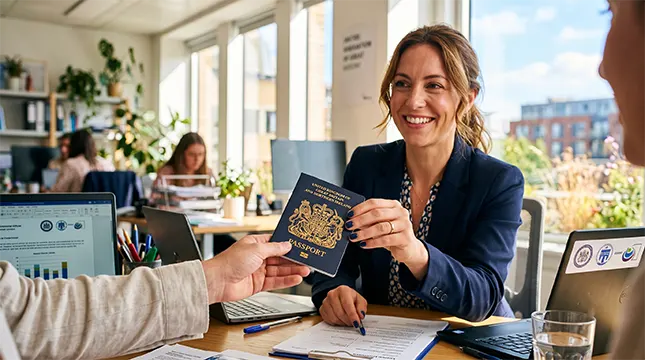
Understand the expanded Youth Mobility Scheme and the current salary thresholds for the UK Skilled Worker visa.
Your visa status depends entirely on your citizenship, so it is worth being clear-eyed about where you stand before you do anything else.
If you hold a British passport, you do not need a visa to live, work or study in the UK.
Dual British and New Zealand citizens simply need to check their British passport has enough validity left and travel home freely.
If your British passport has lapsed or you have never held one but qualify through a parent or grandparent, it is worth starting that application well ahead of your move, since processing times can run into several months.
For New Zealand citizens without British nationality, the picture is more involved. Several main routes now apply.
- Youth Mobility Scheme: this is the route many younger returnees and first-time movers use. As of 2026, New Zealand nationals can apply between the ages of 18 and 35, a notable widening from the old 18 to 30 limit. The visa runs for two years initially, with New Zealanders able to extend for a third year from inside the UK, a benefit not offered to most other nationalities. The application fee sits at £340, alongside the Immigration Health Surcharge, and applicants must show at least £2,530 in savings held for 28 consecutive days. No job offers or sponsorship is required, making it the most flexible option for anyone wanting to live and work in the UK without committing to a single employer.
- Skilled Worker visa: for those with a confirmed job offer from a UK employer holding a sponsor licence, this remains the main long-term work route. The general minimum salary threshold is £41,700 a year, or the going rate for the specific occupation if higher, with some shortage and new entrant roles set lower. The Immigration Health Surcharge is now £1,035 per year for adults, paid upfront for the duration of the visa, so it is worth budgeting for this alongside the visa fee.
- Family and partner visas: if you are returning with a New Zealand partner or have New Zealand-born children, you will likely need a Family visa for them even if you yourself hold a British passport. Financial and English language requirements apply, and these applications benefit from being started early given typical processing times.
- Global Talent and other specialist routes: for those in academia, research, digital technology or the arts with a recognised endorsing body, the Global Talent visa can offer a faster, more flexible route than standard sponsorship.
Like most countries, immigration rules in the UK shift regularly, and 2026 has already brought several changes to salary thresholds and fees.
Always check the current position directly on GOV.UK, before you commit to a route, consider speaking to an immigration adviser if your situation involves dependants, a gap in residency, or a switch between visa types.
Sorting Out Tax, Pensions and KiwiSaver Before You Go

Seek professional financial advice to handle your KiwiSaver transfer and understand split-year tax rules before leaving New Zealand.
Money matters deserve attention well before your moving date.
The UK tax year runs from April to April, and arriving partway through a tax period can trigger split year treatment, which affects how much UK tax you owe in your first year back. Get this wrong, and you could pay more than necessary or face an unexpected bill later.
If you have property in New Zealand, decide early whether you are selling or renting it out, since both options carry tax implications in both countries. The same applies to savings and investments held in New Zealand accounts.
KiwiSaver is often the trickiest piece. You can simply leave it invested in New Zealand, accepting that currency movements and NZ tax rules will continue to apply, or you can look into transferring to a recognised UK pension scheme.
Only certain schemes qualify for transfer, and the process can involve fees and tax charges, so this is rarely a decision to make without advice.
For UK pensions you already hold, it is worth requesting a state pension forecast and checking whether voluntary National Insurance contributions could fill any gaps built up while you were overseas.
A tax adviser who understands both jurisdictions is genuinely worth the fee here.
You can find a vetted specialist through Experts for Expats, and for impartial guidance on your pension options, the MoneyHelper Pension Wise service is a free and reliable starting point.
Banking and Moving Your Money Home

Use a regulated FX broker to transfer your New Zealand property sale funds to the UK and avoid high street bank fees.
If you closed your UK accounts when you left, you will need to open new ones once you arrive, and some banks now allow you to begin this process before you land, particularly if you can show a UK address is on the way.
Traditional high street banks tend to want proof of UK address and identity documents, while newer digital banks such as Monzo or Starling are often more flexible for new arrivals without a settled address yet.
The bigger savings usually come from how you move your money, rather than where you bank it.
Selling a house, car, or other high-value asset in New Zealand before you leave means transferring a significant lump sum, and relying on your everyday bank for that transfer is one of the most common ways returning expats lose money unnecessarily.
A specialist foreign exchange provider will typically offer a better exchange rate, lower fees, and faster transfer times than a high street bank, along with guidance on timing your transfer to avoid moving money at a poor moment in the exchange rate cycle. It is worth getting quotes from a few regulated providers before you transfer anything substantial.
This comparison of leading FX brokers is a useful starting point if you have not used one before.
NHS Registration: What Returning Expats Need to Know

Register with a local GP surgery as soon as you have a fixed British address to avoid delays in receiving medical care.
One of the genuine comforts of coming home is the NHS. Funded through taxation and National Insurance, it provides care at the point of use, covering everything from GP visits and dental referrals to hospital treatment and emergency care.
As a returning UK resident, you regain full access to the NHS, but registration is not automatic; you need to act on it.
The moment you have a fixed UK address, register with a local GP surgery. Most surgeries now allow you to register online, and you will typically need proof of address and identification.
If you have ongoing medical conditions or prescriptions, bring any records and documentation you can from New Zealand, since transferring your full medical history between countries is not always straightforward, and a paper or digital summary can speed up your first appointment considerably.
Registering early matters more than people expect.
If a health issue comes up in your first few weeks back, before you are registered with a GP, you will find access to non-emergency care much slower.
The NHS website’s GP registration page walks through the process step by step, and dental registration is worth sorting at the same time, since NHS dentist waiting lists in many areas remain long.
Exchanging Your New Zealand Driving Licence
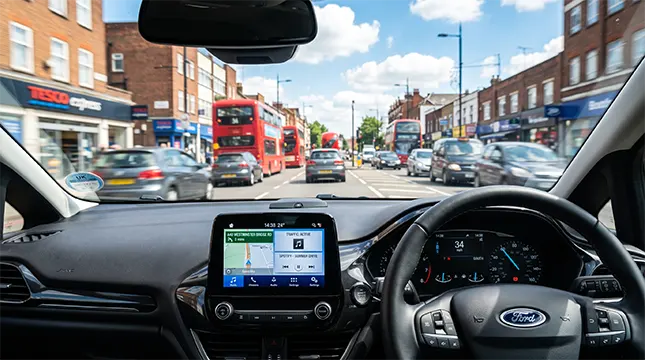
Apply through the DVLA to swap your valid New Zealand licence for a UK equivalent without needing to retake your test.
New Zealand is on the UK’s list of designated countries for licence exchange, making this part of the process more straightforward than for many other nationalities.
You can drive in the UK on your valid New Zealand licence for up to 12 months after becoming a resident.
After that, you need to exchange it for a UK licence to stay road legal, and you have up to five years from the date you became resident to do this without needing to retake a driving test.
The exchange itself is handled by the DVLA, currently it costs £43, and typically takes around three weeks once your application and documents are received.
One detail that catches people out: if your New Zealand licence does not specifically show that you passed your test in a manual vehicle, the DVLA may only issue you a UK licence restricted to automatics. Check your original test paperwork and be prepared to provide extra evidence if needed.
Full details and the application form are available on GOV.UK’s licence exchange page.
It is also a good time to sort UK car insurance, since most insurers will want to see your New Zealand driving history or a letter confirming your no claims record.
Finding a Home That Fits

Compare regional property prices on Rightmove and consider renting first to thoroughly explore new local neighbourhoods and school catchments.
British housing can be a genuine adjustment after New Zealand.
Homes in UK cities, in particular, tend to be smaller, with more period quirks and less garden space than many returnees are used to, and properties move quickly once they hit the market.
The UK housing market in 2026 remains broadly balanced, with average prices continuing to grow modestly nationally, though some regions, especially parts of London and the Southeast, have softened slightly as buyers wait for clearer signals on interest rates.
Portals such as Rightmove and Zoopla are the best starting point for getting a feel for prices and neighbourhoods in your target area, and both let you set alerts so new listings land in your inbox the moment they appear.
Renting first is a sensible strategy for many returning expats, particularly if you have been away for a decade or more. It buys you time to properly explore different areas, schools, and commutes before committing to a purchase, and removes the pressure of buying blind in a market that may have moved on considerably since you last looked at it.
Enrolling Children in UK Schools

Research local catchment areas and contact your Local Education Authority early to secure a state primary or secondary school place.
If you are returning with school-age children, sorting their education is usually one of the first practical jobs on the list.
The UK offers a broad mix of state, academy, and independent schools, but places at popular schools are not guaranteed; admissions are largely driven by catchment areas and current availability rather than simply applying.
Start researching schools in your target area as early as you can, ideally before you finalise where you are going to live, since proximity to a good school can shape that decision.
The New Zealand and UK systems differ in structure and term timing, so it is worth familiarising yourself with how year groups and key stages map across, particularly if your child is moving mid-way through a school year.
Contact the relevant Local Education Authority for guidance on which schools have current vacancies, and keep copies of school reports, transcripts, and any learning support assessments from New Zealand to help the new school place your child appropriately from day one.
The government’s school admissions guidance is the definitive source, and many individual school websites now offer virtual tours if you cannot visit in person before your move.
Our article, titled “16 Remarkable Tips for Moving Home with Kids,” might be of interest to you.
Bringing Pets Back to the UK

Ensure your cat or dog has the correct microchip, rabies vaccination, and animal health certificate months before your scheduled flight.
Bringing a cat or dog home is entirely possible, but the process is tightly regulated, and getting the timing wrong can lead to delays or even costly quarantine fees upon arrival.
Your pet will need to be microchipped, vaccinated against rabies, and issued with an official animal health certificate shortly before travel.
None of these steps is flexible, and the timing windows matter; leave them too late, and you risk missing your intended travel date entirely.
Many returning expats use a specialist pet relocation company that understands both New Zealand export requirements and UK import rules, along with the practicalities of airline pet travel. It takes a layer of stress out of an already busy move.
For the official requirements, see the UK government’s guidance on bringing a pet to Great Britain, and check it well ahead of your departure date, since some steps need to be completed months in advance.
For regulated, reputable pet travel companies, contact Petsabroad, Animalcouriers or WorldCare Pet Transport for quotations.
Reverse Culture Shock: Settling Back Into British Life

Rebuild your routines by reconnecting with old friends and joining local community groups to ease the transition home.
Almost every returning expat experiences some version of reverse culture shock, and it tends to catch people off guard precisely because they expect coming home to feel easy.
Everything is recognisable, yet subtly different: the pace of life, the humour, regional slang, even what is on the supermarket shelves.
This is entirely normal, and it usually passes within a few months as you rebuild routines.
The most effective approach is to ease back into local life deliberately rather than waiting for it to happen on its own. Reconnect with old friends, but also make room for new social circles, since the people and places you remember may have moved on too.
Getting involved in local community life, whether that is a local sports club, a pub quiz, a parents’ group at the school gate or a neighbourhood event, tends to be the fastest route to feeling settled again.
Give it time and resist the urge to compare every small frustration to how things worked in New Zealand.
Planning Your Shipment Back to the UK

Allow eight to twelve weeks for door-to-door shipping from New Zealand and ensure you have comprehensive marine transit insurance.
A smooth move hinges on early planning, particularly when it comes to shipping your belongings across the world.
Sea freight from New Zealand to the UK typically takes between eight and twelve weeks door-to-door, so timing your move and your shipment together matters.
Keep essential documents, valuables and anything you cannot do without for three months in your hand luggage rather than your shipment.
Working with a mover who is a member of a recognised body, such as the British Association of Removers, gives you confidence that your move will meet professional standards. It is also worth checking current New Zealand and UK customs rules in advance so you know exactly what can and cannot be shipped.
Comprehensive transit insurance, offered at White & Company as MoveProtect, is essential for peace of mind during a move of this scale.
Aim to start organising your move three to six months ahead of your planned departure date.
That window gives you time to manage your visa application, finances, school admissions, medical records, and the shipping process itself without everything colliding into the same stressful fortnight.
Why Move With a Professional International Removals Company
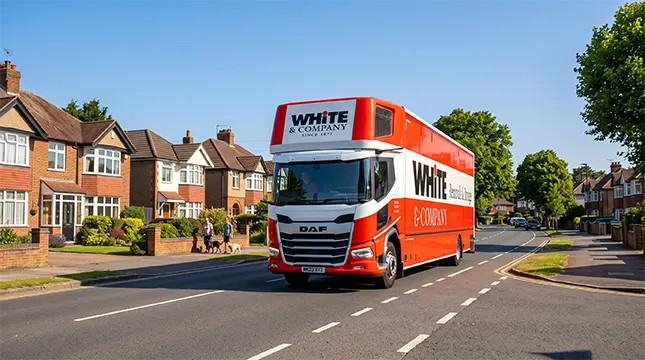
Trusted global relocation experts. Rely on White & Company’s fully BAR-accredited team to handle complex customs clearance and securely pack your belongings.
International moves involve many moving parts: customs documentation, freight timing, insurance, and the safe packing and handling of everything you own. That is where White & Company comes in.
With well over 150 years of experience and membership of BAR, FIDI and OMNI, we have refined the process of moving households between hemispheres.
From door-to-door shipping and customs clearance to secure UK storage if your new home is not quite ready, our team takes the logistics off your plate so you can focus on the move itself.
Getting in touch is easy, request a free, no obligation quote and one of our international team will talk you through your options. Wherever you are coming home to, we will help you get there safely.
Frequently Asked Questions About Moving Abroad
Do I need to tell HMRC and Inland Revenue that I am moving?
Yes. You should notify both UK and New Zealand tax authorities of your change in residency status. This affects how your income, savings and any property are taxed in your first year back and getting it wrong can mean overpaying tax or facing a later bill. A dual qualified tax adviser can confirm exactly what you need to file and when.
How early should I start planning an international move?
Three to six months is the general rule for a move of this scale, though if you have a visa application, school admissions, or property sale to arrange, starting closer to nine months ahead gives you more breathing room. The earlier you book your removal company, the more flexibility you will have around your preferred shipping dates.
What is the best way to transfer a large sum of money internationally?
For significant sums, such as proceeds from selling a house or car, a regulated foreign exchange specialist will usually beat a high street bank on both the exchange rate and the fees charged. It is worth getting quotes from two or three providers and asking about rate alerts so you can transfer when the exchange rate is in your favour, rather than on a fixed date regardless of market movement.
Can I bring my pet with me, and how far in advance should I start the process?
Yes, but the rabies vaccination, microchipping and health certificate process has strict timing windows that must be followed precisely. Start at least four months before travel to avoid any risk of delay or quarantine and consider using a specialist pet relocation company if you want the process managed for you.
Should I ship everything I own, or is it better to sell some belongings before I move?
Most experienced movers will tell you it rarely makes sense to ship absolutely everything. Large furniture that may not suit a smaller UK home, electrical items that need adapting for UK voltage, and anything easily replaced are often better sold or donated before departure. A good removals surveyor can advise on what is genuinely worth shipping based on your new home and budget.
How long does an international move usually take?
Most overseas moves take a minimum of several weeks to a few months depending on shipping methods, customs clearance, and destination country.

Max is a seasoned writer and blogger in the real estate and home moving sectors, as well as a knowledgeable source of information for expatriates living and working abroad. His detailed insights have helped thousands of people move and live abroad with greater simplicity and ease.
)
Posted in: News
Leave a Comment (0) ↓