
How Much Does It Cost to Move House in the UK? A 2026 Breakdown

Moving home in the UK but have no idea about costs? It’s a common question.
If you are starting to plan a move this autumn, one question comes up before almost anything else. How much does it cost to move house in the UK?
It is a fair question, because the answer touches everything from solicitors and surveys to stamp duty and the removal van itself, and the total can easily catch people off guard if they have not budgeted for it properly.
The good news is that once you break the costs down, they become far easier to plan for.
Below, we have put together a clear, up-to-date breakdown of what UK homeowners are typically paying to move in 2026, along with a few tips on how to keep your own costs under control.
A Short Overview of This Blog
Here is a quick summary of what this guide covers, so you can jump to the section most relevant to you.
- Average moving costs, a realistic 2026 figure for the full cost of buying and selling a home in the UK.
- Stamp duty, how the current thresholds work and what you might owe on your purchase.
- Conveyancing and legal fees, what solicitors typically charge for buying and selling.
- Survey costs, the different survey levels and when each one makes sense.
- Estate agent fees, what sellers usually pay and how these are calculated.
- Removal costs, what affects your quote and how to get the best value.
- Hidden extras, the smaller costs that catch people out after completion.
- Money-saving tips, practical ways to reduce your overall moving bill.
By the end, you should have a realistic picture of what your own move is likely to cost, and a clearer idea of where you can save.

Average UK house moving costs in 2026, from £8,000 to £15,000
The Average Cost of Moving House in the UK in 2026
There is no single figure that applies to every move, since so much depends on your property price, whether you are buying, selling or both, and where in the UK you are based.
That said, industry data for 2026 puts the average combined cost of buying and selling a home at somewhere between £11,000 and £15,000, on top of the property price itself.
For a simpler move, such as a first-time purchase with no property to sell, costs are often lower, typically in the region of £8,000 to £10,000.
This figure usually covers stamp duty, conveyancing, surveys, estate agent fees if you are selling, mortgage arrangement costs and, of course, your removal company.
Below, we have broken each of these down individually.
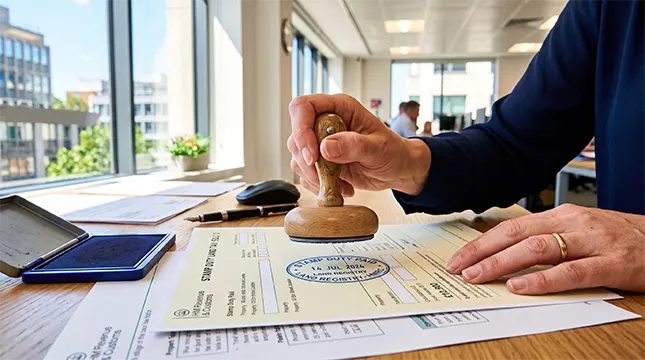
2026 Stamp Duty Land Tax bands explained for UK home buyers
Stamp Duty, What You Will Actually Pay
For most buyers, stamp duty is the single biggest cost of moving house. In England and Northern Ireland, Stamp Duty Land Tax is charged in bands, so you only pay the higher rate on the portion of the price above each threshold, rather than on the whole amount.
As it stands in 2026, standard rates are 0% up to £125,000, 2% on the portion between £125,001 and £250,000, 5% between £250,001 and £925,000, 10% between £925,001 and £1.5 million, and 12% above that.
First-time buyers have a more generous nil rate band, paying nothing up to £300,000 on properties costing £500,000 or less. Buying an additional property, such as a second home, typically adds a 5% surcharge on top of the standard rates.
Scotland and Wales use their own equivalent taxes, with different thresholds, so if you are moving north or west of the border it is worth checking the specific rates that apply.
For a precise figure based on your own purchase price, the official HMRC Stamp Duty calculator is the most reliable place to check.
Conveyancing and Legal Fees
Every house purchase and sale requires a solicitor or licensed conveyancer to handle contracts, searches and the transfer of ownership.
For buying, expect to pay somewhere between £850 and £1,900 including VAT, plus disbursements of £200 to £500 for local searches, Land Registry fees and bank transfer charges.
Selling is usually a little cheaper, often £600 to £1,300. If you are doing both at once, budget for £1,500 to £3,000 in total.
Fees tend to be higher in London and the Southeast, and leasehold properties often carry additional charges due to the extra paperwork involved.
It is always worth getting at least three quotes and asking exactly what is and is not included before instructing a solicitor.
Use the reallymoving website to help you find reputable solicitors and conveyancers.
Survey Costs
A survey is not a legal requirement, but it is strongly recommended, since it can uncover issues that are worth thousands more than the survey itself in negotiating power.
A basic Level 1 Condition Report costs around £300 to £400, a Level 2 Homebuyer Survey, the most common choice, runs from £400 to £700, and a full Level 3 Structural Survey, best suited to older or unusual properties, can cost £600 to £1,500.
You can find a local surveyor who is RICS registered (Royal Institution of Chartered Surveyors) also via the reallymoving website.
RICS sets strict standards for education, ethics and professional practice, so choosing a RICS surveyor gives buyers and sellers confidence that they are receiving impartial, expert advice.

How much UK estate agent fees typically cost when selling your home
Estate Agent Fees, If You Are Selling
If you are selling as well as buying, estate agent fees are usually your biggest single outlay after stamp duty.
The average fee across the UK in 2026 sits at around 1.4% including VAT, although traditional agents can charge anywhere from 0.75% up to 3% depending on the level of service.
On a £300,000 sale, that works out at roughly £4,200.
Fixed fee and online only agents sometimes charge a flat rate as low as £500, though the trade-off is often less local support and marketing.
You can always negotiate with your estate agent!

What affects the cost of a house removal, from volume to distance
Removal Costs, What Affects the Price
Removal costs vary more than almost any other part of the moving budget, since they depend on the volume of your belongings, the distance being travelled, and how much of the packing you want handled for you.
- A small, local move with self-packing might cost £300 to £600.
- A typical three-bedroom house move locally, with the removal company doing the loading, usually falls between £700 and £1,300.
- A full pack and move service, where the team packs everything for you, tends to start around £900 and can reach upwards of £1,500 or more for larger homes.
- Long-distance or cross-country moves generally add several hundred pounds on top, due to travel time, fuel, and staff overnight payments.
Booking early makes a genuine difference here. Removal costs have risen sharply in recent years, and firms that book six to eight weeks ahead of their move typically save 15% to 20% compared with those booking at the last minute.
With autumn traditionally quite a busy season for house moves, getting your date secured early is one of the simplest ways to protect your budget.
You can get a personalised, no-obligation quote through our removals quote page, or take a look at our full range of house removals services to see what is included.
Hidden and Often Forgotten Costs
Beyond the big-ticket items, there are several smaller costs that regularly catch people out.
These include buildings insurance, which your lender will require from the point of exchange rather than completion.
Don’t forget the council tax and utility set-up from your very first day in the property, mail redirection, professional cleaning of your old home, and the inevitable settling-in costs such as new curtains, carpets or appliances that the previous owners have taken with them.
It is sensible to set aside an additional £2,000 to £5,000 for these settling-in expenses, since they are the figure most people underestimate.
If there is a gap between your moving out and moving in dates, our secure storage solutions can help bridge that gap without the stress of finding somewhere to keep your belongings at short notice.
White & Company have safe, secure storage facilities at all of our 19 branches from the south coast to Scotland.

Practical tips to reduce the overall cost of moving house
How to Keep Your Moving Costs Down
- Get at least three quotes for conveyancing, surveys and removals, rather than accepting the first price you are offered.
- Book your removal company as early as possible, ideally six to eight weeks before your move date.
- Declutter before you move, since removal costs are based on volume, so fewer items usually mean a lower quote.
- Consider a part packing service, where you pack the smaller items yourself and let the professionals handle the furniture and fragile pieces.
Use our moving checklist to stay organised in the run-up to moving day, and our planning your move guide for a full step-by-step overview of the process.
Protecting Your Move
Once you know roughly what your move will cost, it is worth thinking about how to protect it too.
We offer MoveProtect, a specialist liability solution for removals that complies with FCA regulations, giving you extra peace of mind on moving day itself.
As founder members of the British Association of Removers, we are also held to strict industry standards for quality and reliability, which is worth checking for with any removal company you are considering.
Ready to Plan Your Move?
As autumn can be one of the busiest times of year for house moves in the UK, start to plan ahead; now is the time to get your removal date secured.
With branches spread right across the country, you can find your local White & Company office and request a free, no-obligation quote today.
We can offer you a home or video survey, whichever suits you best.
How Much Does It Cost to Move House in the UK Frequently Asked Questions
How far in advance should I book a removals company?
It’s best to book your removals company as soon as you have an estimated moving date. During busy periods, such as summer and school holidays, booking 4–8 weeks in advance gives you the best chance of securing your preferred date and can often provide greater flexibility.
How can I reduce the cost of moving home?
Decluttering before you move is one of the easiest ways to save money, as fewer belongings can reduce packing time and transport costs. Comparing quotes, packing some items yourself and avoiding peak moving dates may also help keep costs down.
What should I pack separately for moving day?
Prepare an essentials box containing important documents, medication, phone chargers, toiletries, snacks, a kettle, tea and coffee, basic kitchen items and a change of clothes. Keeping these items with you makes your first day in your new home much more comfortable.
Do removals companies offer storage?
Yes. Many professional UK removals companies provide secure, flexible storage solutions for both short and long-term needs. Storage can be particularly useful if there is a delay between moving out of your old home and into your new one, or if you’re downsizing.
Why should I choose a professional removals company?
A professional removals company has the experience, equipment and trained staff to move your belongings safely and efficiently. They can also offer additional services such as packing, furniture dismantling and storage, helping to reduce the stress of moving day while protecting your possessions throughout the journey.

Max is a seasoned writer and blogger in the real estate and home moving sectors, as well as a knowledgeable source of information for expatriates living and working abroad. His detailed insights have helped thousands of people move and live abroad with greater simplicity and ease.

Posted in: News
Leave a Comment (0) ↓